Choose a Dining Table Shape That Suits Your Space
Table shape has a direct effect on how people sit, move and interact within a dining space. Rectangular dining tables are particularly well suited to longer rooms and larger seating arrangements because their proportions naturally accommodate chairs along both sides as well as at the ends. They can also create a strong visual line through the room, especially when centred beneath a pendant or chandelier.
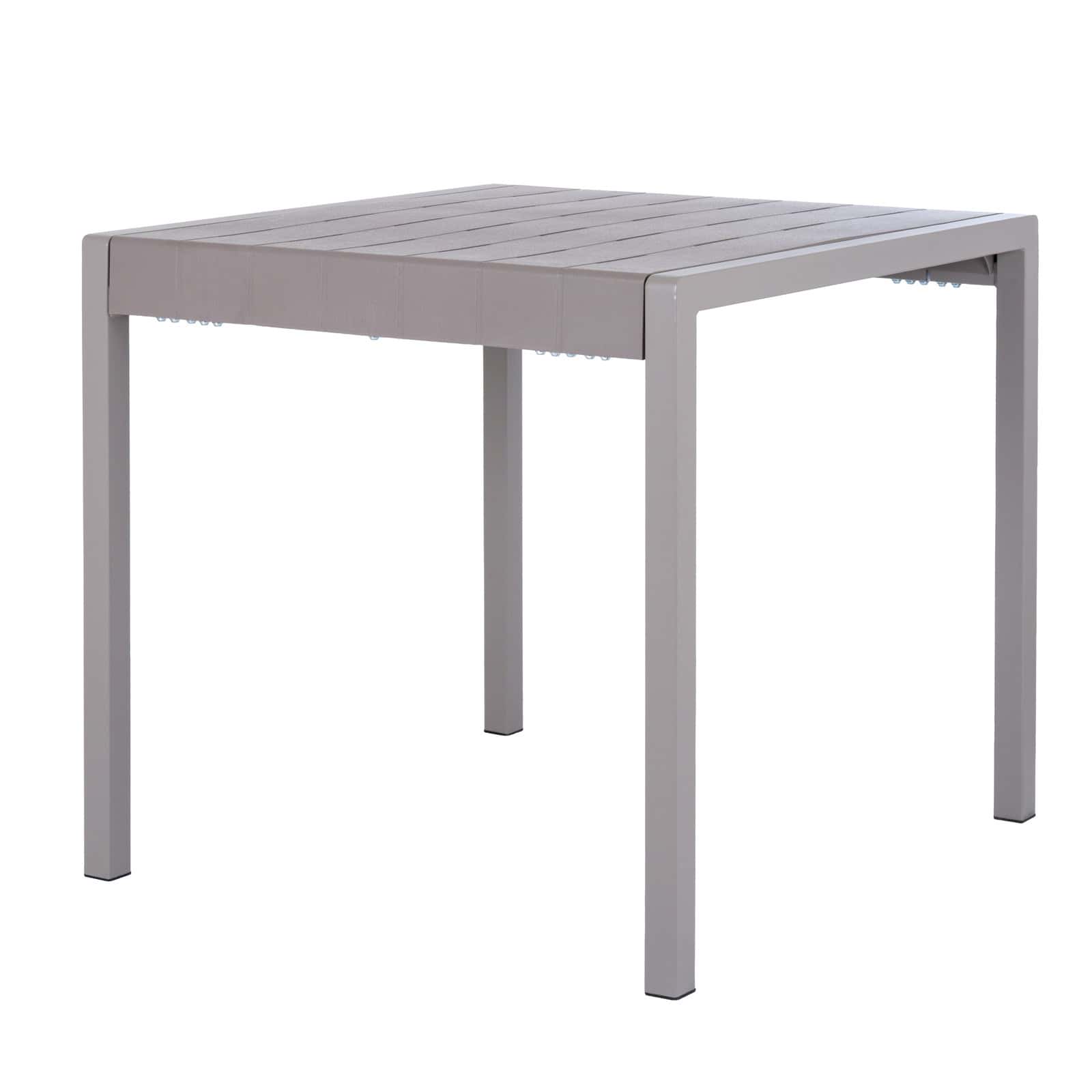
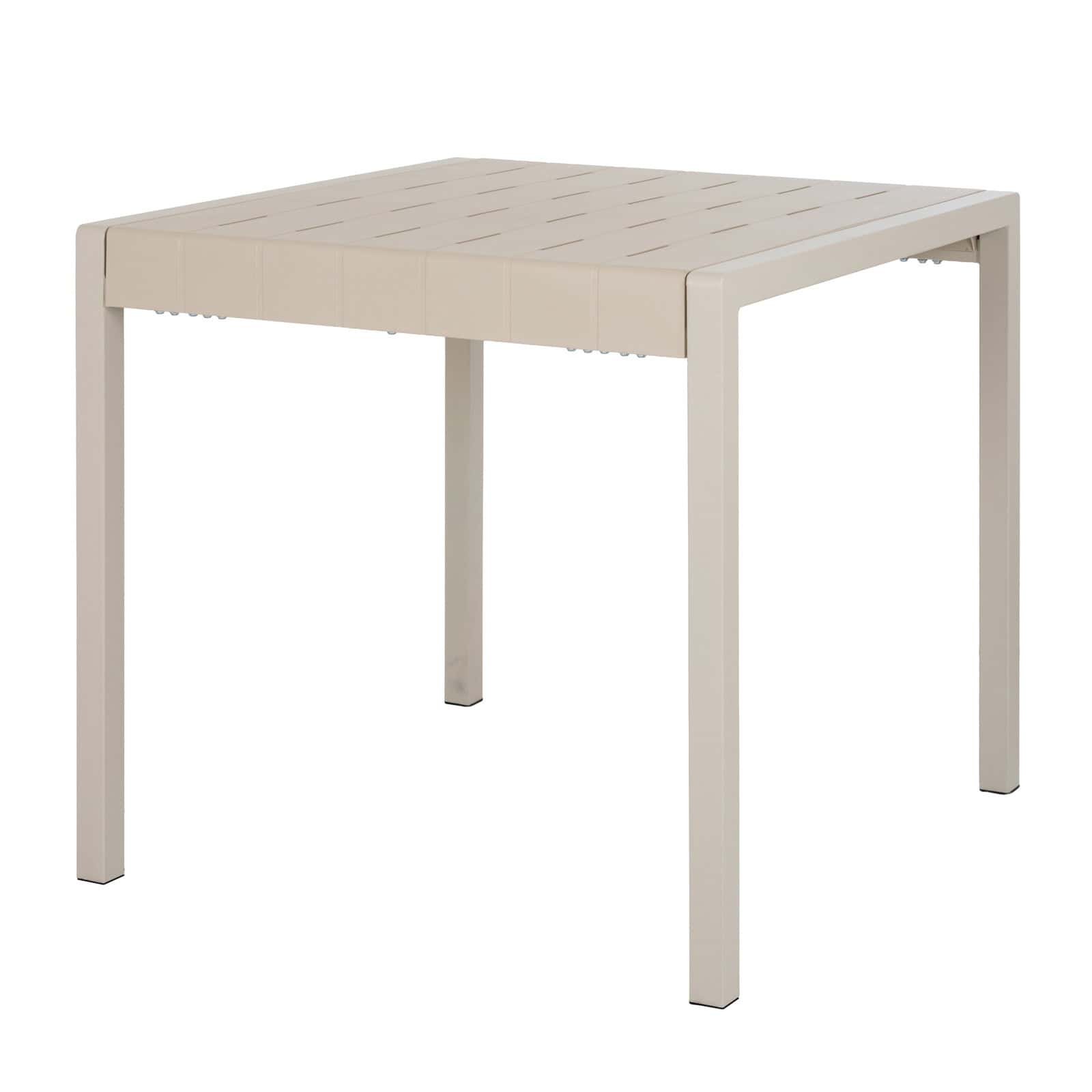
Round dining tables offer a more compact footprint and encourage a more intimate seating arrangement, with diners positioned around a shared centre rather than along straight sides. They can work particularly well in smaller dining areas where easier movement around the table is important. Square tables suit compact or symmetrical layouts and can create a balanced setting for smaller households or four-person dining arrangements.
The current range also includes tables with softer or more unusual profiles, so the choice does not have to be limited to rigid geometry. Whatever shape you prefer, consider the space needed to pull chairs out comfortably and move around the table. A shape that suits the room proportions will usually feel more balanced and make better use of the available floor area.
Dining Tables for Different Numbers of Guests
Think about the number of people who use the table most often before deciding how large it needs to be. Smaller households may prefer a compact table that feels proportionate for everyday meals, while family-sized dining tables provide more room for regular shared dining without requiring the footprint of a large entertaining table.
For larger gatherings, table length or diameter becomes increasingly important because it determines how many chairs can fit comfortably without making the setting feel crowded. A longer rectangular table can accommodate more diners along its sides, while a larger round table needs enough diameter to provide personal space around the full circumference.
It is also worth considering occasional guests rather than choosing purely for your everyday household size. If you regularly entertain but do not want a large table taking up space all week, an extendable design can offer useful flexibility. Keep the table compact for normal meals, then increase the available seating area when needed. Always check the individual dimensions and stated seating capacity, as two tables of similar overall size may accommodate diners differently depending on their shape, base and leg position.
Extendable Dining Tables for Flexible Dining
Extendable dining tables are useful when the number of diners changes from day to day. In their closed position, they can provide a compact surface for everyday meals and help preserve circulation space around the room. When family or guests arrive, the extension mechanism creates additional tabletop area and allows extra chairs to be introduced where the design permits.
The main difference between a fixed and extendable table is flexibility. A fixed table keeps the same dimensions at all times, making it straightforward to plan around, while an extendable table can adapt to different occasions. Butterfly and other extension formats are represented within the current range, providing options for households that want more seating capacity without permanently dedicating the room to a larger table.
Measure the space using the fully extended dimensions rather than only the closed size. There should still be enough room to pull chairs out and move comfortably around the table when it is at its largest. This ensures the extension remains genuinely useful instead of creating an arrangement that feels cramped whenever additional guests are seated.
Designer Dining Tables That Become a Focal Point
Some designer dining tables are intended to do more than blend quietly into the room. Sculptural bases, distinctive silhouettes, curved edges and statement finishes can make the table the visual centre of the dining space, particularly when the surrounding furniture is more restrained.
Natural wood grain can provide its own decorative character, while contemporary forms may use softer edges, unusual leg arrangements or contrasting materials to create a more architectural effect. The range also includes genuinely supported Scandinavian-inspired and Japanese-inspired influences, which can bring cleaner proportions, lighter visual detailing or a more sculptural approach without relying on excessive decoration.
A designer dining room table works best when its strongest features have enough space to be appreciated. Positioning it centrally and coordinating the lighting above can help reinforce its role as a focal point. If the table has a distinctive base or expressive surface, simpler chairs may allow those details to stand out. Equally, an understated table can support more decorative seating. The aim is to decide where the room’s visual emphasis should sit and choose the table accordingly.
Dining Table Materials and Finishes
Dining-table materials and finishes influence both the appearance of the piece and its visual weight within the room. The range includes tables made from or finished in a variety of woods, with individual products confirming materials such as solid mango wood, sheesham, acacia and pine. Oak and oak-ish finishes are also represented, although an oak-style appearance should not be confused with confirmed solid oak construction unless the individual specification states it.
Some designs combine wooden tops with metal bases or frames, creating stronger contrast and a more contemporary or industrial feel. Painted, stained and natural-looking finishes offer further variation, from lighter, softer tones to deeper colours that give the table more presence.
Material choice can also affect how easily the table coordinates with other dining furniture. A strong natural grain may work well with upholstered chairs, while painted or metal details can be echoed through lighting, chair frames or nearby storage furniture. Because construction varies between products, check the individual specification rather than assuming one material or finish applies across the whole category.
Pairing Your Dining Table With Chairs
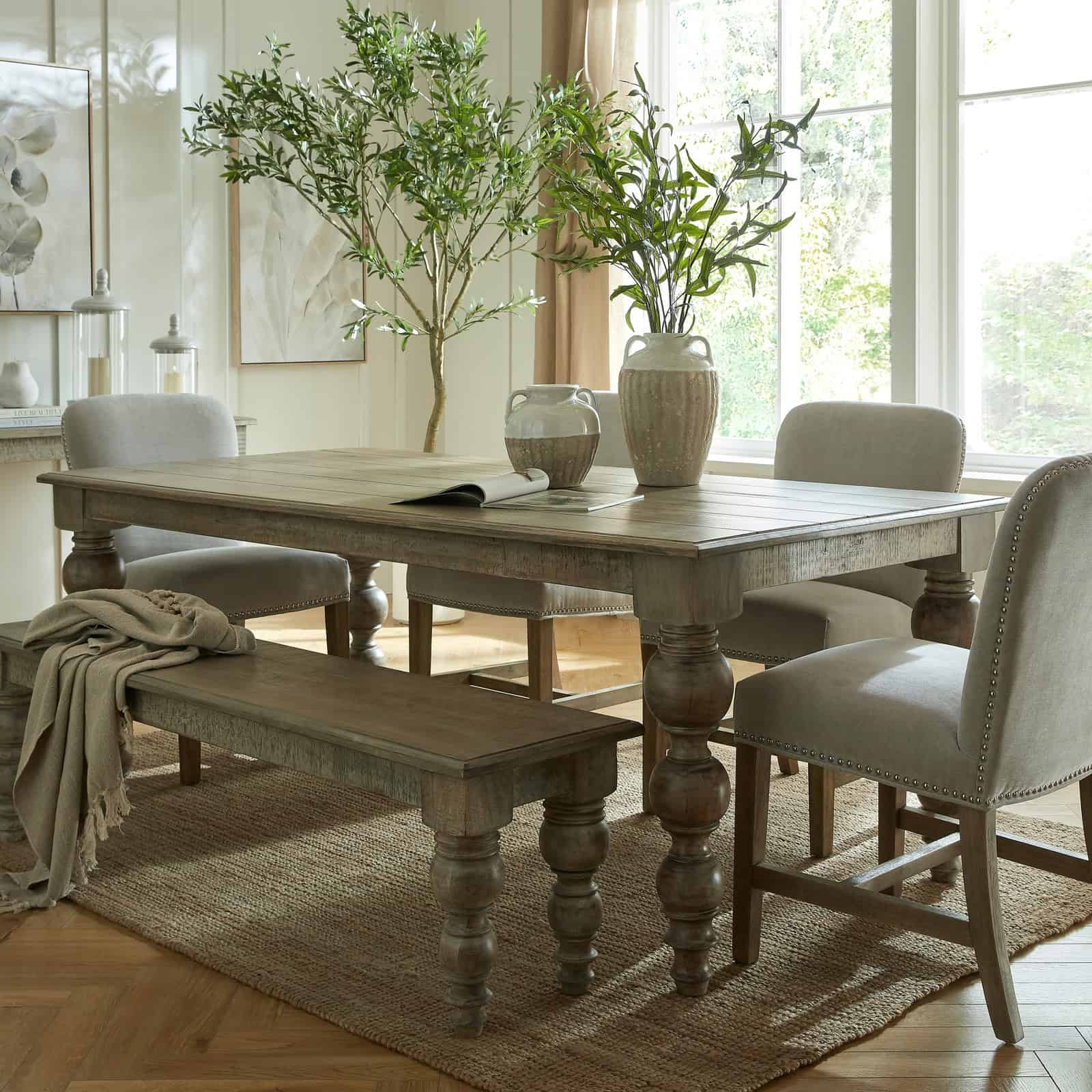
Dining chairs can complement the table without matching it exactly. Repeating a wood tone, metal detail or colour can create a sense of continuity, while deliberate contrast can give the dining setting more character. Upholstered chairs often work particularly well with wooden tables because the fabric introduces softness and texture against a harder surface.
When creating luxurious dining tables and chairs combinations, proportions are just as important as finish. Check chair seat height against the tabletop and make sure there is enough clearance beneath the table for comfortable legroom. Chair width also affects how many seats can fit along each side without feeling cramped.
Luxury dining room tables and chairs do not have to come from the same collection to feel cohesive. Contemporary seating can work with a more traditional table when colours or materials provide a visual connection, and classic chairs can soften a cleaner modern table. The key is to coordinate intentionally while ensuring the pieces function together. Explore the luxury dining chairs range when choosing seating to accompany your table.
Creating the Right Dining Room Around Your Table
The dining table should sit comfortably within the room rather than filling every available metre of floor space. Leave enough circulation around all sides for people to pull chairs back, sit down and move past other diners without feeling restricted. The required clearance will depend on the table, chair depth and surrounding furniture, so plan around the complete arrangement rather than the tabletop alone.
Positioning in relation to walls, doorways and storage furniture also matters. A centrally placed table can create a strong focal point, while a more compact arrangement may work better in a smaller or open-plan space. Lighting above the table can help visually anchor the dining area, particularly when its shape and scale relate to the tabletop beneath.
A rug can define the dining zone where appropriate, but it should be large enough for chairs to remain on it when pulled back. Nearby sideboards and dressers can coordinate through finish or contrast, helping the table feel connected to the wider room without overcrowding it.
Luxury Dining Table Sets
Luxury dining table sets offer a straightforward way to create a coordinated arrangement by pairing a table with suitable chairs. Where a complete set is confirmed, it can simplify decisions around proportions, seating capacity and visual consistency, particularly if you prefer furniture designed to work together.
A matching set may suit a room where you want a unified finish without selecting every element separately. Buying the table and chairs individually, however, provides greater flexibility over upholstery, chair shape, colour and the balance between contemporary and traditional styles.
When creating your own combination, coordinate selected elements rather than trying to match everything exactly. Similar wood tones, repeated metal finishes or complementary colours can create cohesion while allowing the seating to have its own identity. Luxury dining table sets are therefore one option rather than the only way to furnish the space, especially when tables and chairs can be chosen independently.
Luxury Dining Tables From Dukes Home Interiors
Luxury dining tables from Dukes Home Interiors include round, square and rectangular designs for different room shapes and seating requirements, with both fixed and extendable options represented across the range. Compact tables can suit everyday dining and smaller households, while larger formats provide more space for entertaining and family gatherings. Contemporary, Scandinavian-inspired, Japanese-inspired and more traditional influences appear alongside understated and statement-led designs, with varied wood species, oak-ish looks, painted finishes and mixed-material details available according to individual product specifications. Whether you want a practical everyday table or a luxurious dinner table with greater visual impact, the collection offers different ways to balance function and interior style. Explore the wider dining room furniture range to complete the space.
Frequently Asked Questions About Dining Tables
How do I choose the right dining table size?
Consider how many people usually dine at the table, the available floor space and the clearance needed around the chairs. Measure the full table footprint and allow enough room for people to sit, stand and move comfortably.
What dining table shape is best for a small dining room?
Round and compact square tables can work particularly well in smaller rooms because their proportions can make circulation easier. The best option will depend on the shape of the room, available floor area and number of seats required.
Are extendable dining tables worth considering?
Yes, particularly if you need a smaller table for everyday use but regularly entertain additional guests. An extendable design can provide extra seating space when required without permanently occupying the footprint of a larger table.
How many people can sit around a dining table?
Seating capacity depends on the table’s length or diameter, its base or leg position and the width of the chairs. Always check the dimensions and stated capacity of the individual table before deciding.
Should dining chairs match the dining table?
No. Chairs can complement the table through colour, material or finish without matching exactly. Deliberate contrast can also work well when the proportions and overall interior feel balanced.
What is the best material for a dining table?
There is no single best material for every home. Consider the appearance, finish and construction you prefer, along with how the table will coordinate with chairs and other dining furniture. Check individual product specifications for confirmed materials.
How much space should I leave around a dining table?
Leave enough space for chairs to pull out comfortably and for people to move behind seated diners. The exact clearance required will depend on chair depth, surrounding furniture and the layout of the room.
Can I buy a dining table and chairs as a set?
Yes, where a complete dining set is specifically offered. Alternatively, buying the table and chairs separately gives you more flexibility over chair style, upholstery, colour and finish while still allowing you to create a coordinated setting.