Find a Dining Chair That Fits Your Style
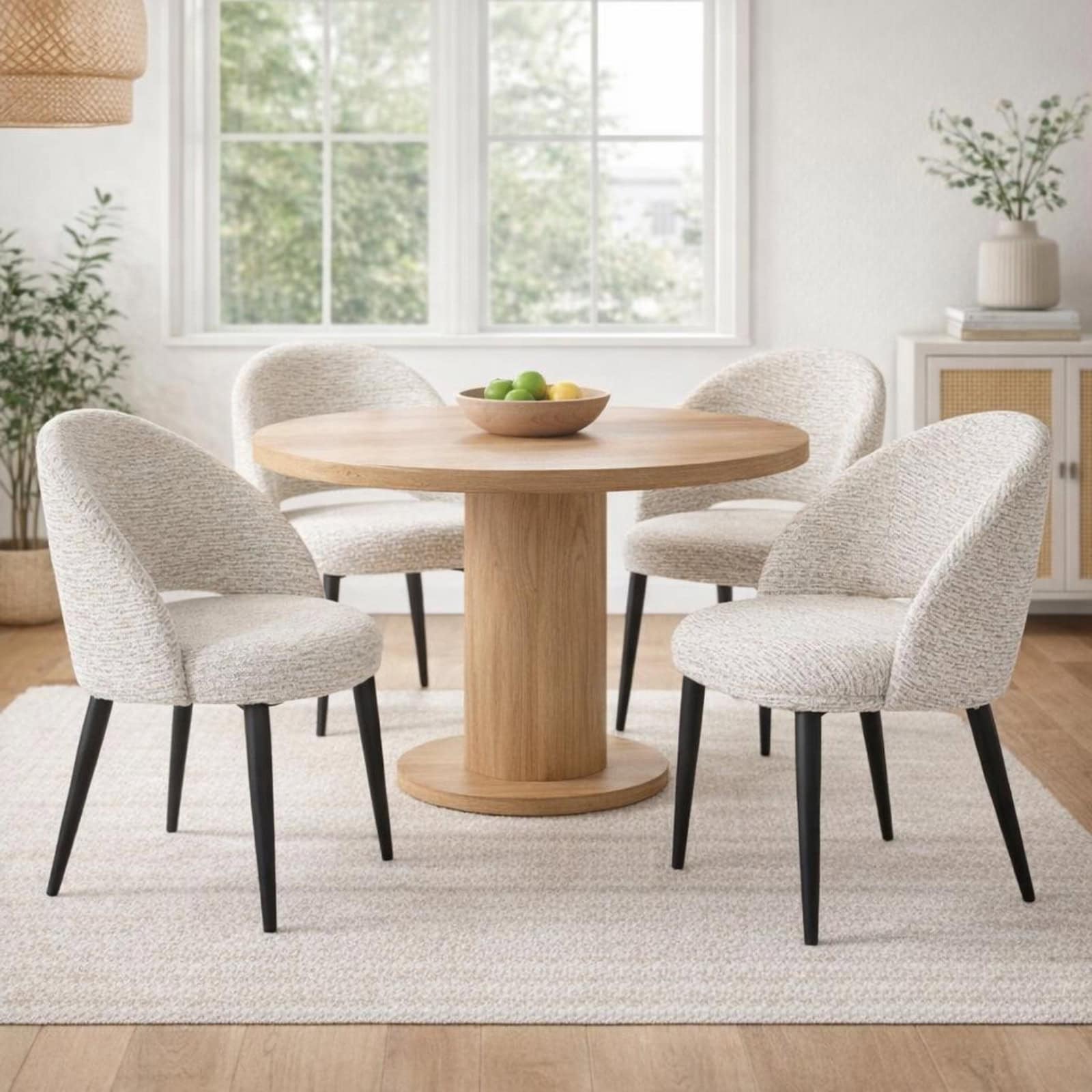
Dining-chair style can set the tone for the whole room, particularly when several chairs are grouped around one table. A contemporary dining chair with clean lines, a streamlined frame or restrained upholstery can suit modern spaces where the overall look is simple and balanced. Modern contemporary dining chairs can also use curved silhouettes, textured fabrics or subtle detailing to add interest without making the setting feel overly formal.
Traditional chairs tend to have more familiar forms, visible wooden details or classic proportions, making them well suited to dining rooms with warmer finishes or more established furniture. For a stronger focal point, statement seating can introduce distinctive upholstery, decorative detailing, curved frames or richer colour.
The right stylish dining chair should complement the visual character of the room rather than compete with every other element. In a quieter scheme, more expressive chairs can provide contrast and personality. Where the table, lighting or artwork already has a strong presence, simpler seating may create better balance. The aim is to choose a shape, finish and level of detail that feels intentional alongside the table and surrounding furniture.
Upholstered, Leather and Wooden Dining Chairs
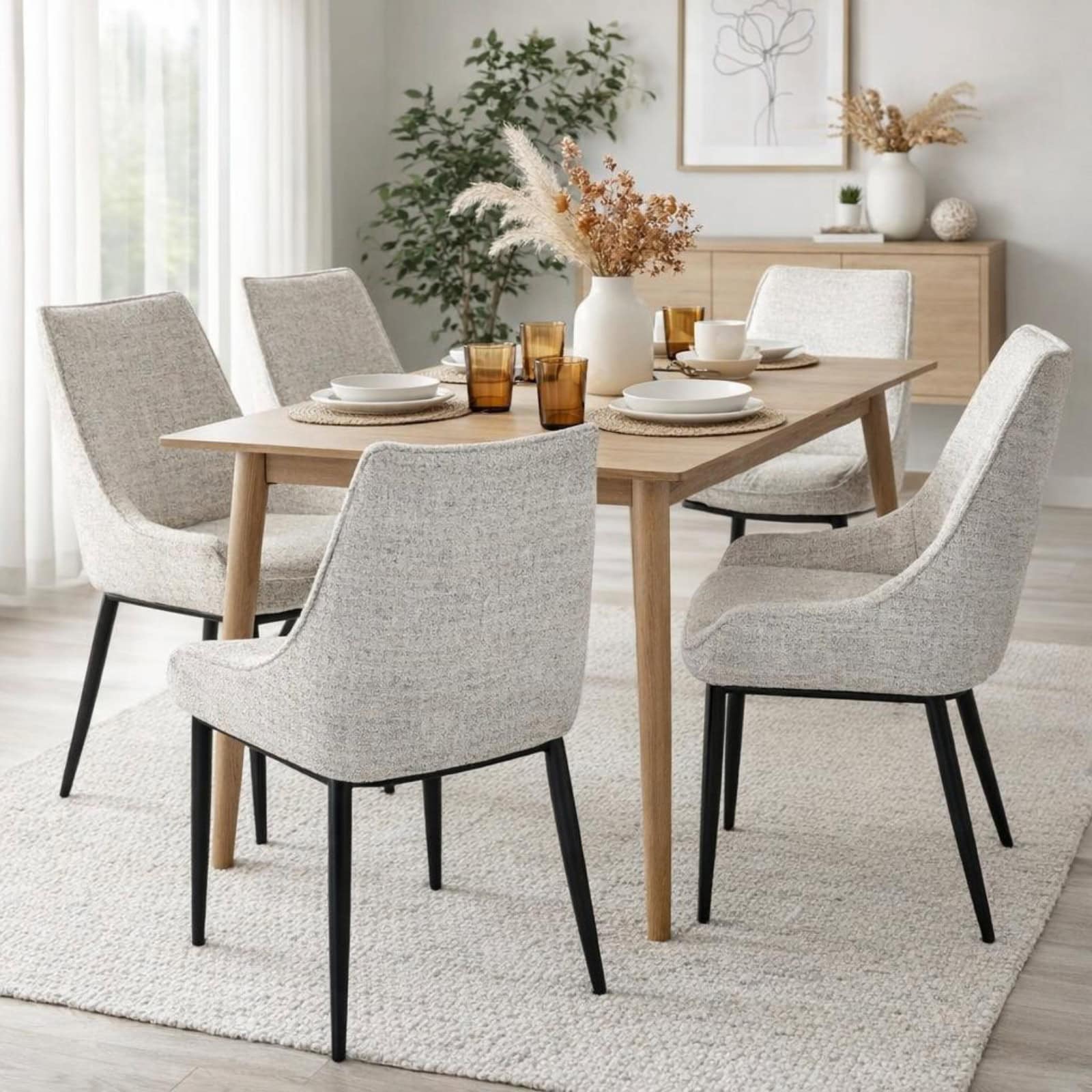
Material influences both the appearance of a dining chair and how it feels within the room. Upholstered dining chairs can add softness through fabric, textured weaves or padded surfaces where these features are specified, helping the dining area feel warmer and more inviting. Different colours and textures also make upholstery a useful way to introduce contrast around a wooden or neutral table.
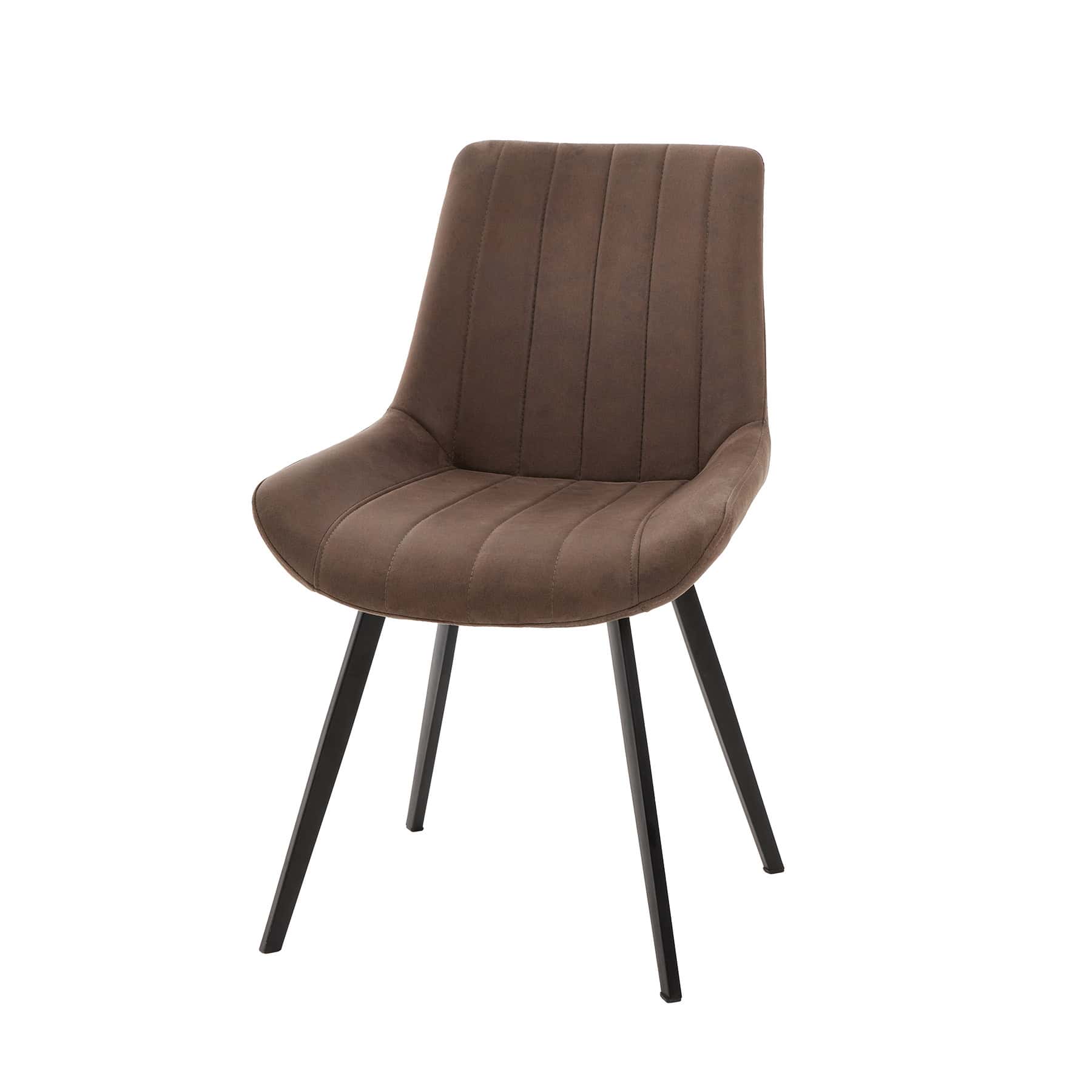
Leather dining chairs generally create a more structured visual effect, particularly when paired with metal or darker frames. Leather can bring a cleaner, more defined finish to contemporary dining settings, while the exact feel and construction will depend on the individual chair.
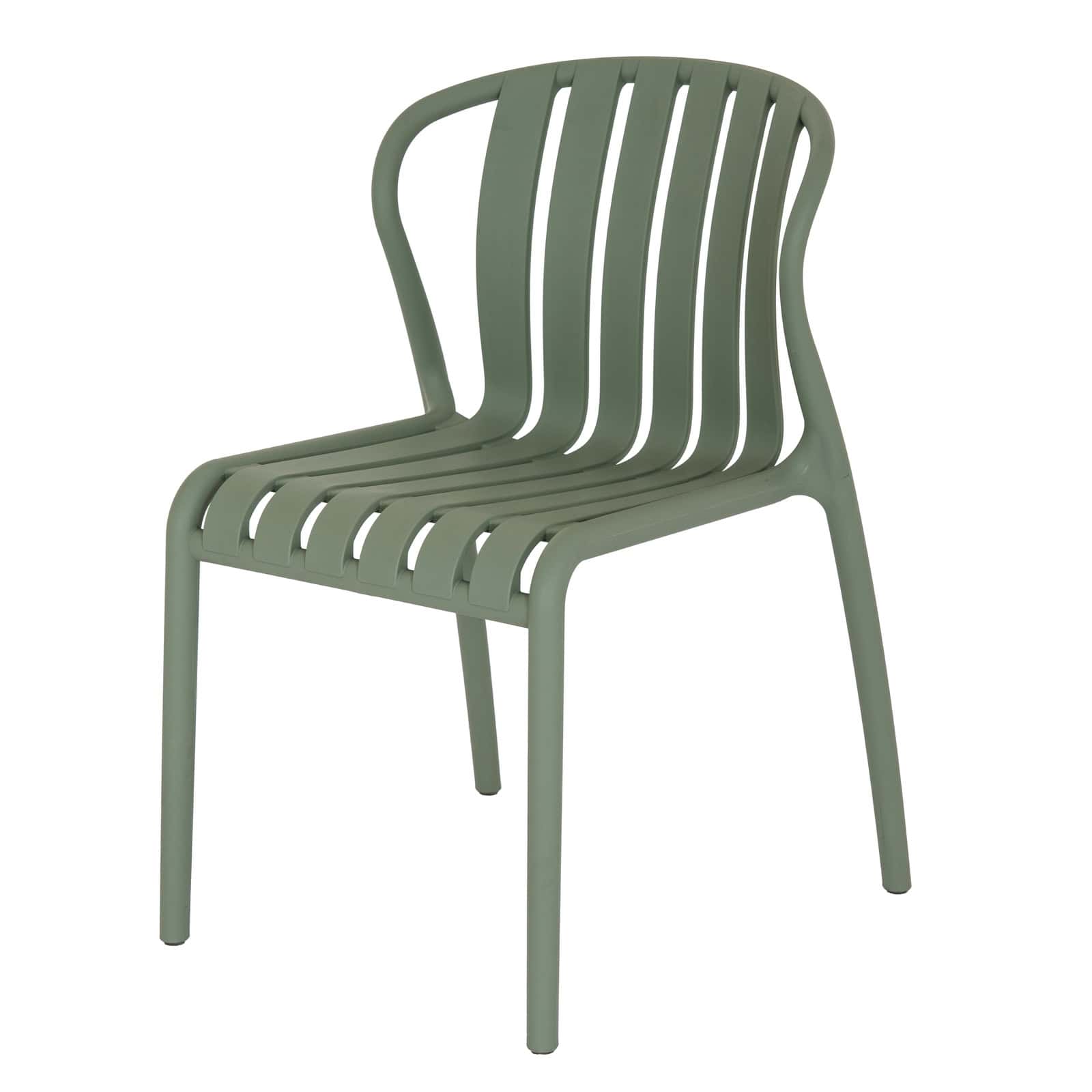
Wooden dining chairs emphasise the natural character of the frame and can work across both traditional and modern interiors depending on their shape and finish. Some designs combine wood with upholstery, while metal and mixed-material chairs offer another route for interiors that need a more contemporary or industrial edge.
No single material is automatically the best choice. Consider the look you want, how often the chairs will be used and the comfort features confirmed for each design. Comparing materials in this way helps narrow the range according to appearance, practicality and the atmosphere you want to create around the table.
Choose the Right Dining Chair Height and Proportions
Chair proportions need to work with the dining room table, not simply look appealing in isolation. Start by comparing the seat height with the height of the tabletop and, importantly, the space underneath it. There should be enough leg clearance for someone to sit comfortably without their knees feeling restricted by the table frame or apron.
Chair width also matters when several seats need to fit along one side. Allow enough space between chairs for people to sit and move comfortably, particularly where wider upholstered seats or armrests are involved. For shoppers looking for dining room chairs tall enough to create a stronger silhouette, high-back designs can give the dining setting more visual presence and may suit larger tables particularly well.
Lower-backed chairs can feel lighter and keep sightlines more open, which can work well in smaller rooms or around visually substantial tables. There is no universal chair height that works with every dining table, so check the individual dimensions of both pieces. The overall scale should feel balanced, with enough room for the number of chairs required without making the table appear overcrowded.
Dining Chairs Designed for Everyday Comfort
Comfort becomes especially important when dining chairs are used for longer meals, entertaining or everyday family dining. Seat shape and back design influence how a chair feels, so look beyond appearance and consider the dimensions and support described in the individual product information. Upholstery and padding can add softness where specified, while a shaped back can influence how supported the chair feels during longer periods of sitting.
Armrests can provide additional support and create a more substantial chair, but they also increase the overall width and need enough clearance around and beneath the table. Armless chairs generally take up less lateral space and can be easier to arrange closely along the sides of a dinner table.
Personal space matters as well. A wider chair may feel more generous, but it reduces the number of seats that can fit comfortably around a given table. The best balance depends on the room, table size and how you use the dining area. Comfort claims should always be considered alongside the actual chair specification, particularly where padding, upholstery or support features differ between designs.
Dining Chairs, Armchairs and Carver Chairs
Standard dining chairs are the most straightforward option for positioning along the sides of a table, particularly where several seats need to fit within a defined width. Their armless format usually allows them to sit relatively close together and makes them easy to move during everyday use.
Carver chairs add arm support and typically have a broader visual presence. They can work particularly well at the ends of a rectangular dining table, where the extra width is less likely to reduce the number of chairs along the sides. Where standard and carver versions are available, combining the two formats can create a coordinated setting with subtle variation.
Dining armchairs can provide a similarly substantial feel where the table and room have enough space. Before choosing, check overall chair width and clearance beneath the table, as arms may not fit comfortably under every tabletop or apron. Standard chairs, carvers and dining armchairs each have different spatial requirements, so the right combination depends on the table dimensions and the number of seats required.
Pairing Dining Chairs With Your Table
Dining chairs do not need to match the table exactly to create a cohesive setting. Repeating a wood tone, metal finish or colour can establish a connection, while deliberate contrast can make the seating more distinctive. Upholstered chairs can work particularly well with wooden tables, introducing fabric, colour or texture around the dining area.
A luxury dining table with a strong grain or statement base may benefit from simpler seating, whereas a restrained table can provide a quieter backdrop for decorative chairs. The same applies to a designer dining room table: chairs can either echo its materials or provide controlled contrast. Creating luxurious dining chair and table schemes is therefore less about exact matching and more about balance.
When comparing luxury dining table sets with individually selected seating, mixing pieces gives you more flexibility over comfort and style. Carver chairs can sit at the ends of a rectangular table with standard chairs along the sides where proportions allow. Whatever combination you choose, check seat height, chair width and leg clearance so the arrangement works physically as well as visually.
Creating a Modern Contemporary Dining Room
A modern dining room often benefits from chairs with clean lines, restrained detailing and upholstery that feels considered rather than overly ornate. Modern contemporary dining room chairs can use neutral or muted tones to create a calm foundation, while curved silhouettes introduce softness and prevent a streamlined scheme from feeling too rigid.
Modern contemporary dining chairs also make it possible to mix textures without adding visual clutter. Upholstered seats can sit alongside wooden or metal table finishes, while subtle fabric texture can add depth to an otherwise neutral palette. Minimal detailing keeps the emphasis on proportion, shape and material rather than decoration.
Consider the chairs alongside a modern dining table and the lighting above it. Repeating one finish can help connect the pieces, but an exact match is not essential. A curved chair around a straighter table or softly textured upholstery against a cleaner surface can create useful contrast while maintaining a contemporary overall look.
Designer Dining Chairs as a Feature of the Room
Designer dining chairs can give the dining area a stronger identity through sculptural shape, distinctive upholstery or a more unusual frame. Curved forms can soften the geometry of a table, while statement colours, tactile textures or decorative detailing can make the seating visually important even when the table itself is understated.
For those exploring designer chair dining options, the focus should be on the character of the chair rather than unsupported associations with a particular designer or brand. A distinctive silhouette, considered proportions or an expressive finish can create a design-led effect without relying on a famous name.
Statement chairs work best when there is enough visual balance around them. If the upholstery or shape is bold, simpler lighting, table finishes or surrounding furniture can prevent the room from feeling overloaded. Equally, a restrained chair can sit comfortably alongside a dramatic table. The aim is to decide where the visual emphasis should fall and choose seating that supports it.
Choosing Dining Chairs for Your Dining Space
Start with how many people the table needs to seat comfortably, then compare that with the available floor space and the width of each chair. The best dining room chairs for your space are those that fit around the table without making the setting feel cramped or restricting movement behind the seats.
Armchairs and carver chairs require more width than most armless designs, so factor this in if you plan to use them at the table ends. Check seat height against the tabletop and ensure there is enough leg clearance beneath the table. Existing décor, frequency of use and comfort should also influence the choice.
If chairs need to be moved regularly, consider how easy their proportions make them to reposition. For occasional dining, decorative design may take priority; for everyday use, practical dimensions and comfort may matter more. These considerations help narrow the options to seating that works for both the room and the way you dine.
Luxury Dining Chairs From Dukes Home Interiors
Luxury dining chairs from Dukes Home Interiors include contemporary and traditional designs across upholstered, leather, wood, metal and mixed-material finishes. High-back and low-back options provide different levels of visual presence, while standard dining chairs and carver formats allow you to choose seating according to the table layout and available space. Colours, fabrics, textures and finishes vary across the range, making it possible to find chairs for both understated and more decorative interiors. Whether paired with an existing table or selected as part of a new dining scheme, the seating can complement a wide variety of styles. Explore the wider dining room furniture range for tables and other pieces that can complete the space.
Frequently Asked Questions About Dining Chairs
What height should dining chairs be?
There is no single chair height that suits every dining table. Compare the seat height with the tabletop and check the available leg clearance beneath the table before choosing.
How do I choose comfortable dining chairs?
Consider seat width, back shape, upholstery, padding where specified and whether you prefer arms or an armless design. The right choice will depend on how long the chairs are typically used and your available space.
Should dining chairs match the dining table?
No. Chairs can coordinate through colour, material or finish without matching exactly. Deliberate contrast can also create a cohesive dining setting when the proportions and overall style work together.
What is the difference between a dining chair and a carver chair?
A standard dining chair is generally armless, while a carver chair has armrests and a broader overall format. Carvers are often used at the ends of a dining table where additional width is available.
Are upholstered dining chairs practical for everyday use?
They can be, depending on the individual fabric, construction and care requirements. Upholstery can add softness and comfort, but always check the specific product information and care guidance before choosing.
How many dining chairs do I need?
This depends on the size of the table, chair width and available space. Allow enough room between seats for people to sit comfortably and make sure there is sufficient clearance around the table.
What are the best dining chairs for a modern dining room?
Clean lines, contemporary upholstery, restrained colours and curved or minimal silhouettes can work well in modern spaces. The right option should also complement the proportions and finish of the dining table.
Should all dining chairs be the same?
No. Standard chairs can be combined with carver chairs at the table ends, and different finishes or formats can work together when the overall proportions, colours and materials feel intentional.