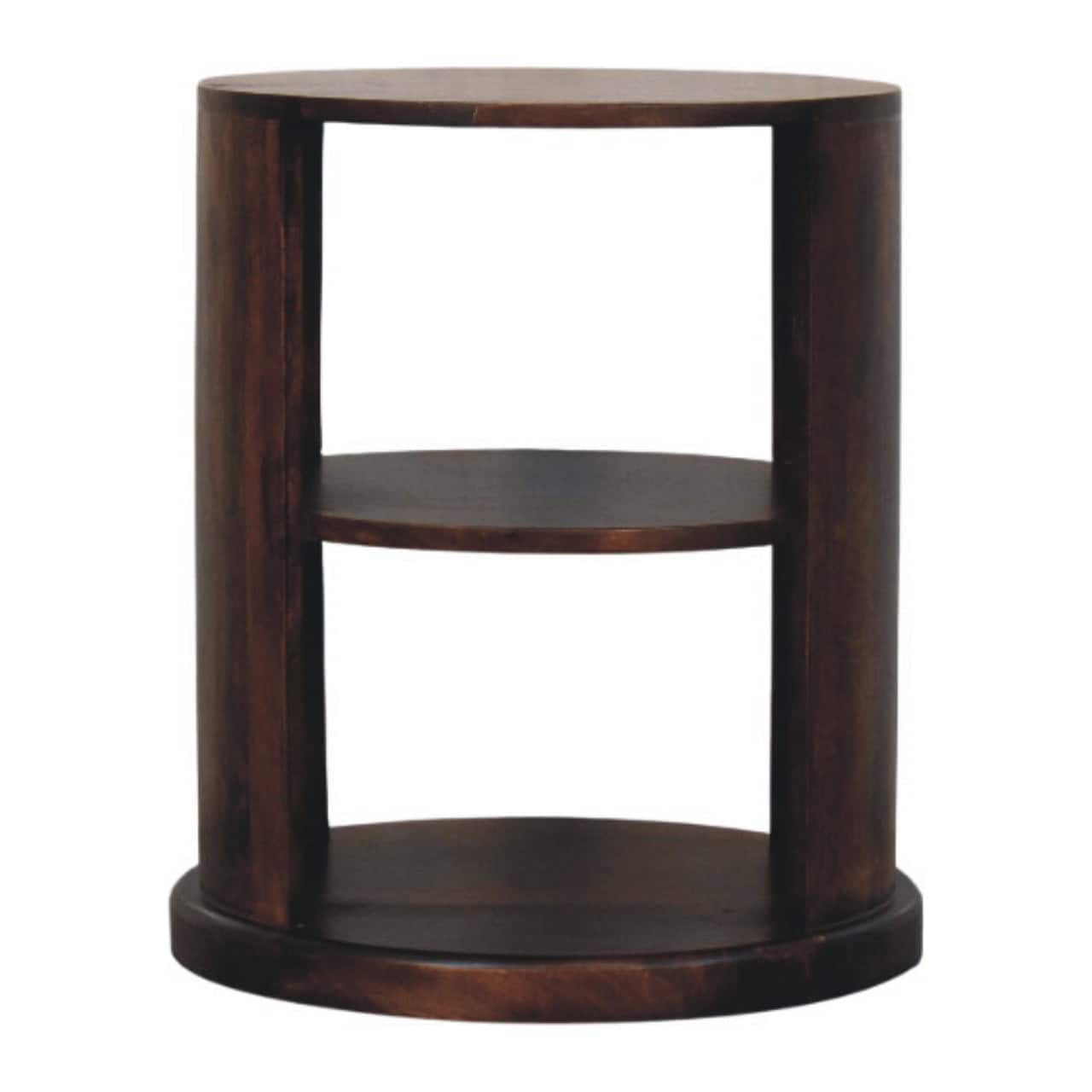
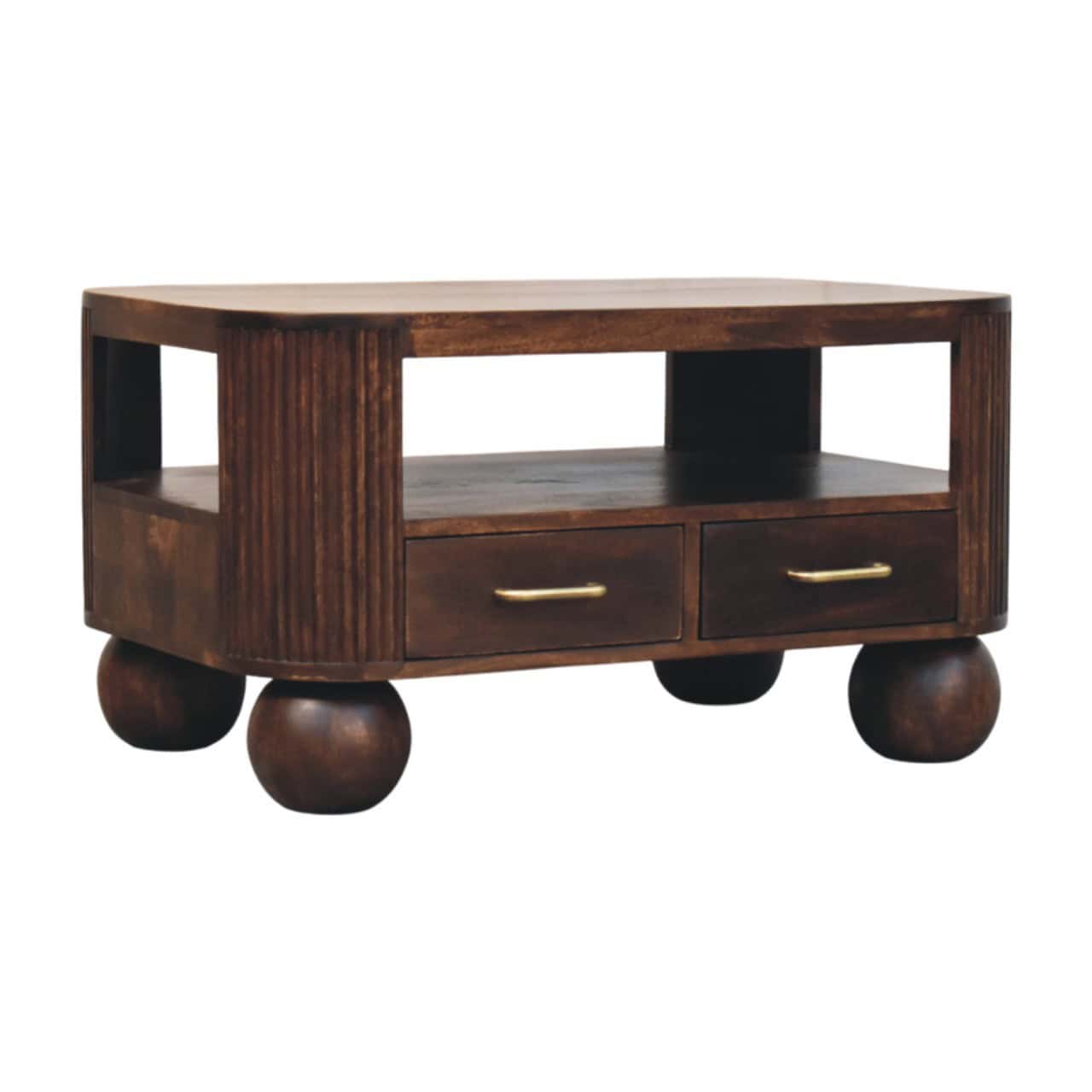
Side Tables for Sofas, Armchairs and Living Spaces
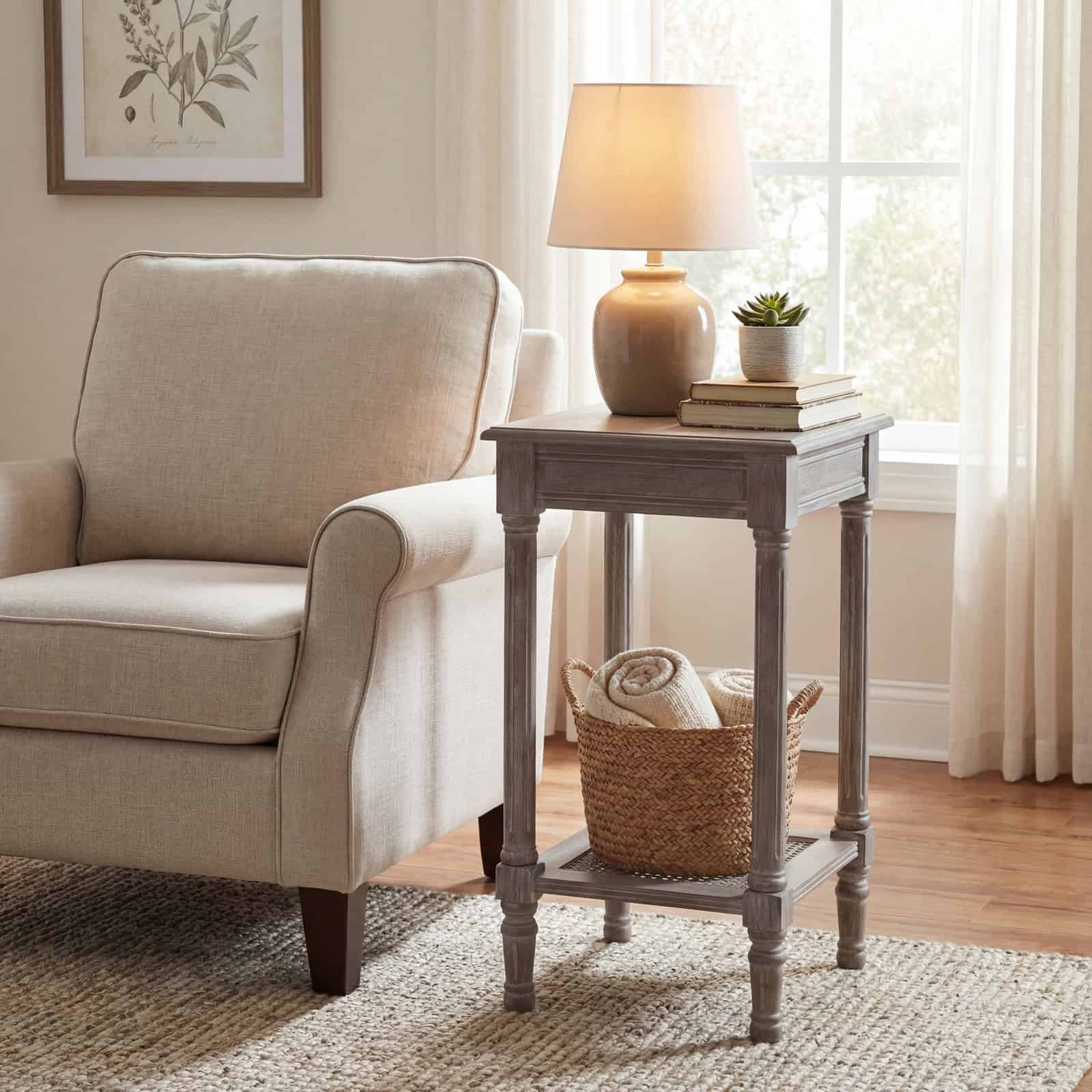
Side tables are designed to make the area around seating more practical. Placed beside a sofa or armchair, they create an accessible surface for drinks, books, remote controls, lamps and smaller decorative accessories without requiring you to reach across a larger coffee table. This makes them particularly useful where convenience matters but floor space is limited.
Compact designs can fit into tighter seating arrangements, narrow gaps or corners where a wider table would feel intrusive. In a larger living room, using more than one table can provide useful surfaces at different seats rather than relying on a single central table. This can work especially well where sofas and armchairs are arranged across a wider conversational layout.
Unique side tables for living room spaces can also contribute colour, texture or shape to the seating area, while home decor side tables can support lamps, vases and decorative objects as part of the wider scheme. Some designs may also suit bedrooms or studies where their proportions and function are appropriate. Wherever they are placed, the table should remain easy to reach without obstructing movement around the furniture.
Choose a Side Table Based on How You Use It
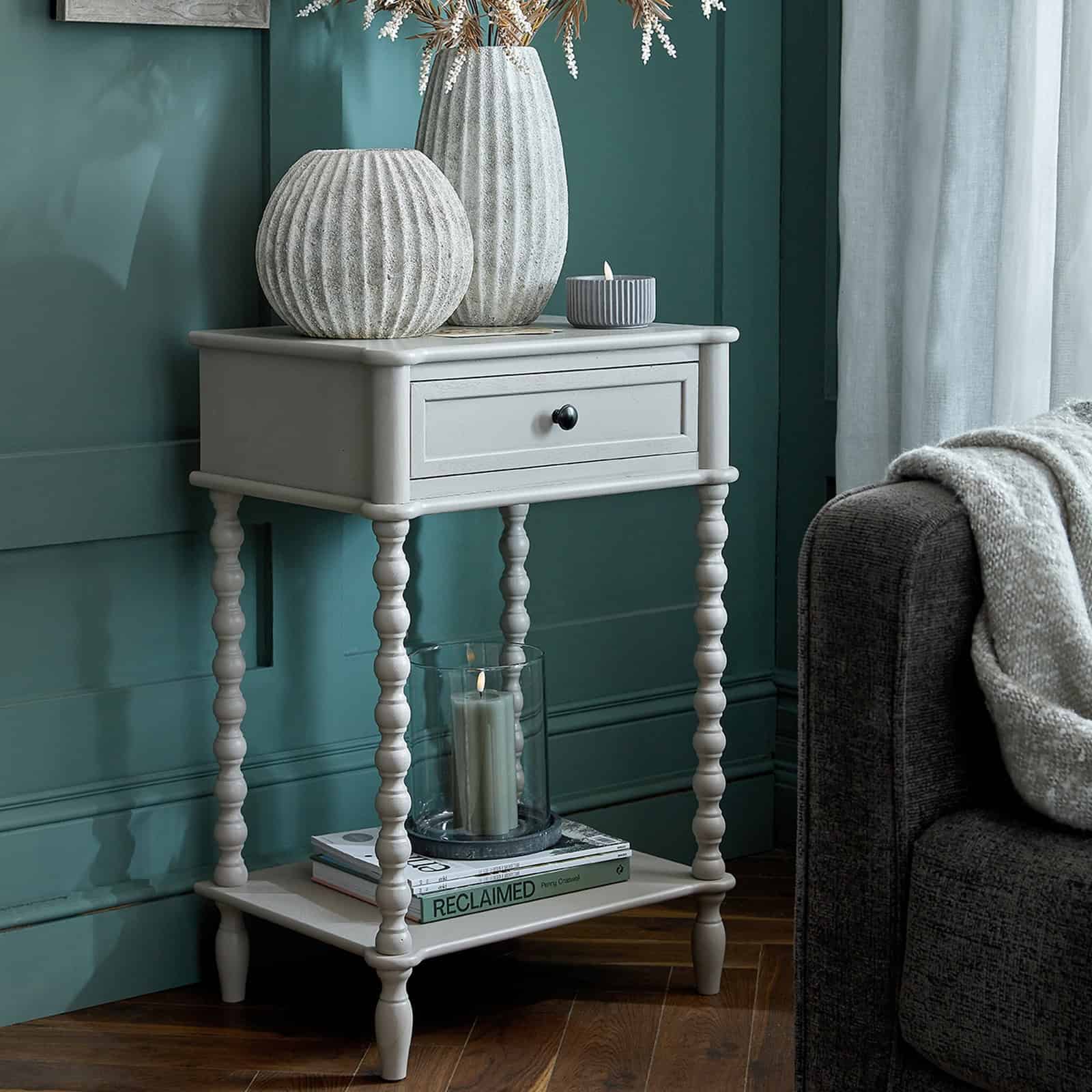
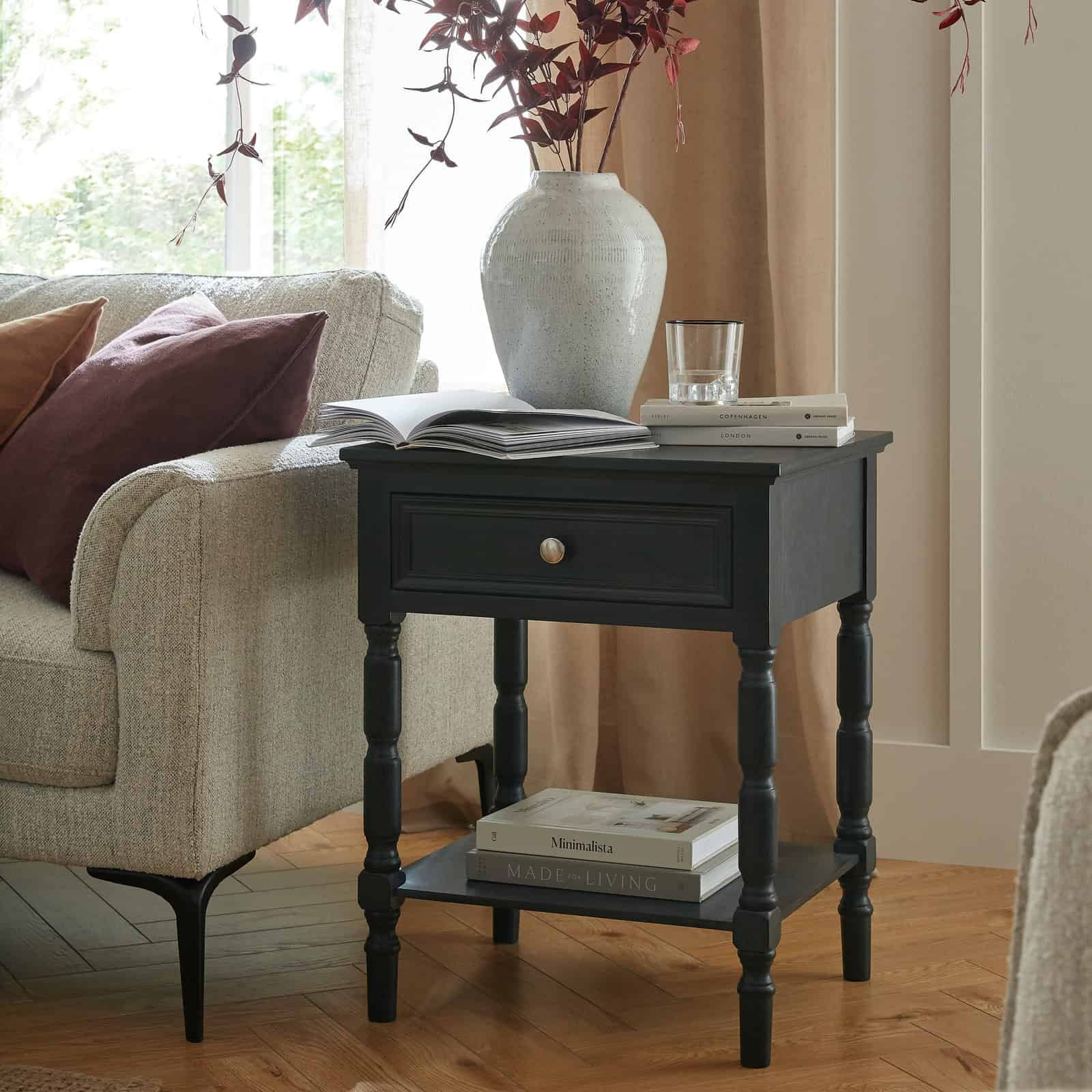
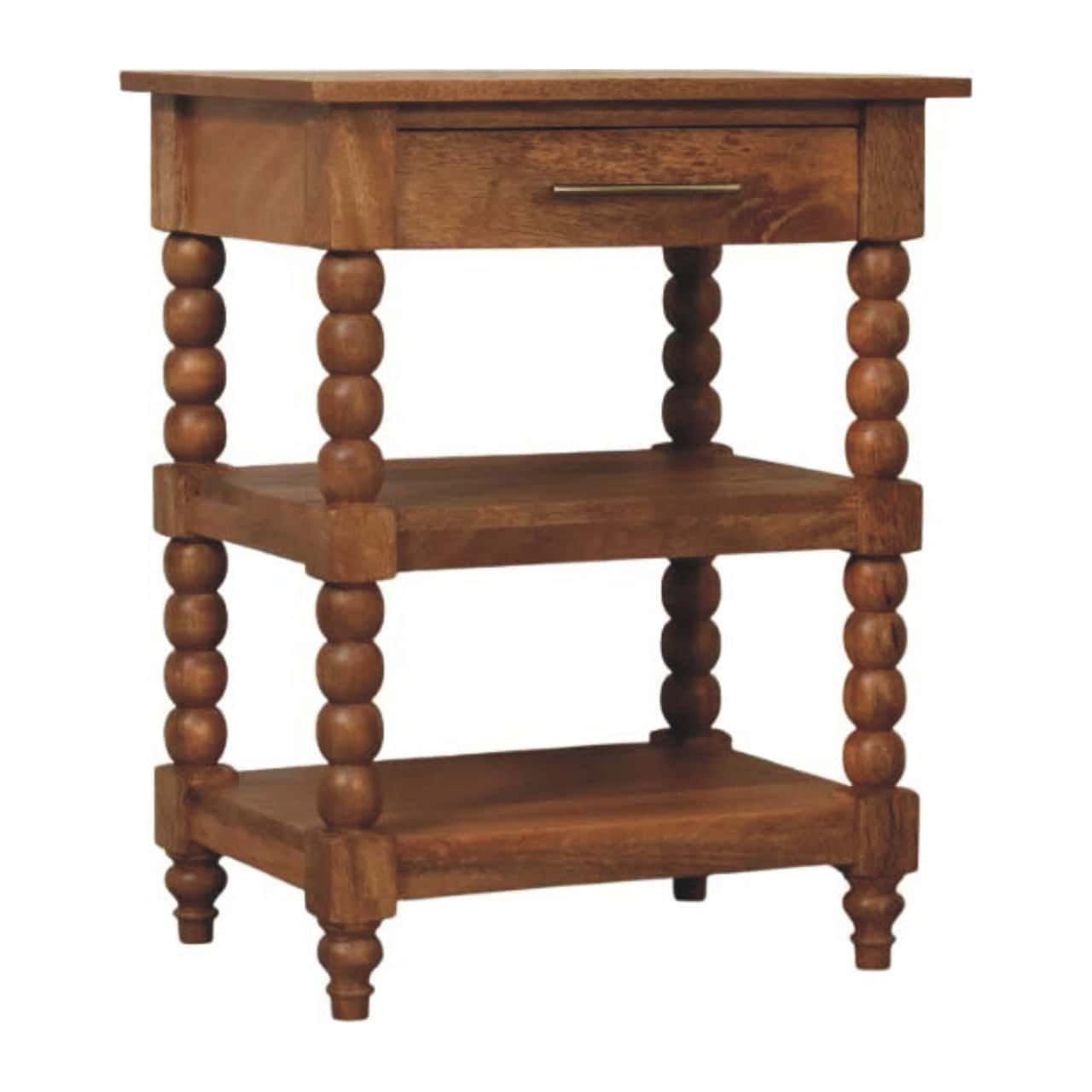
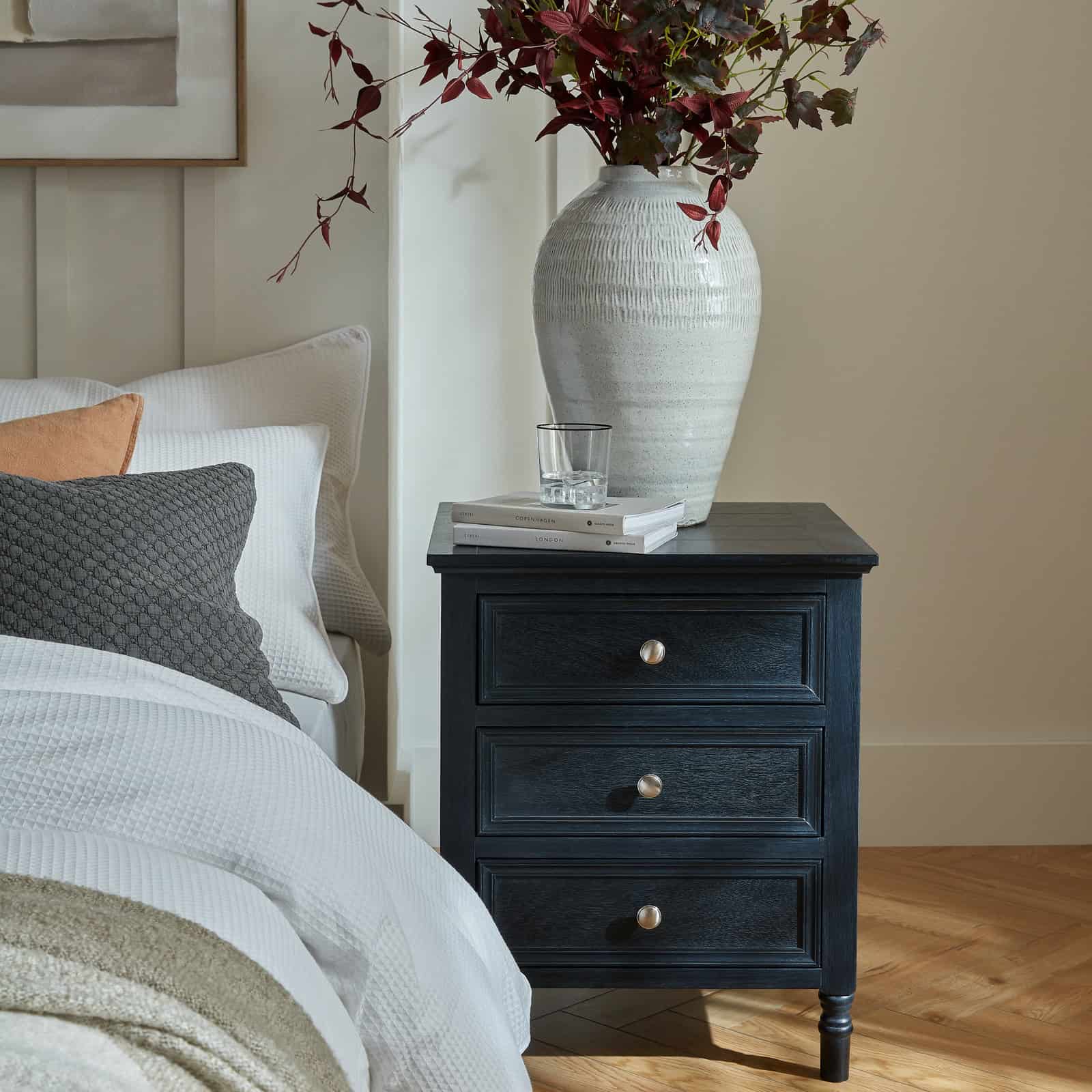
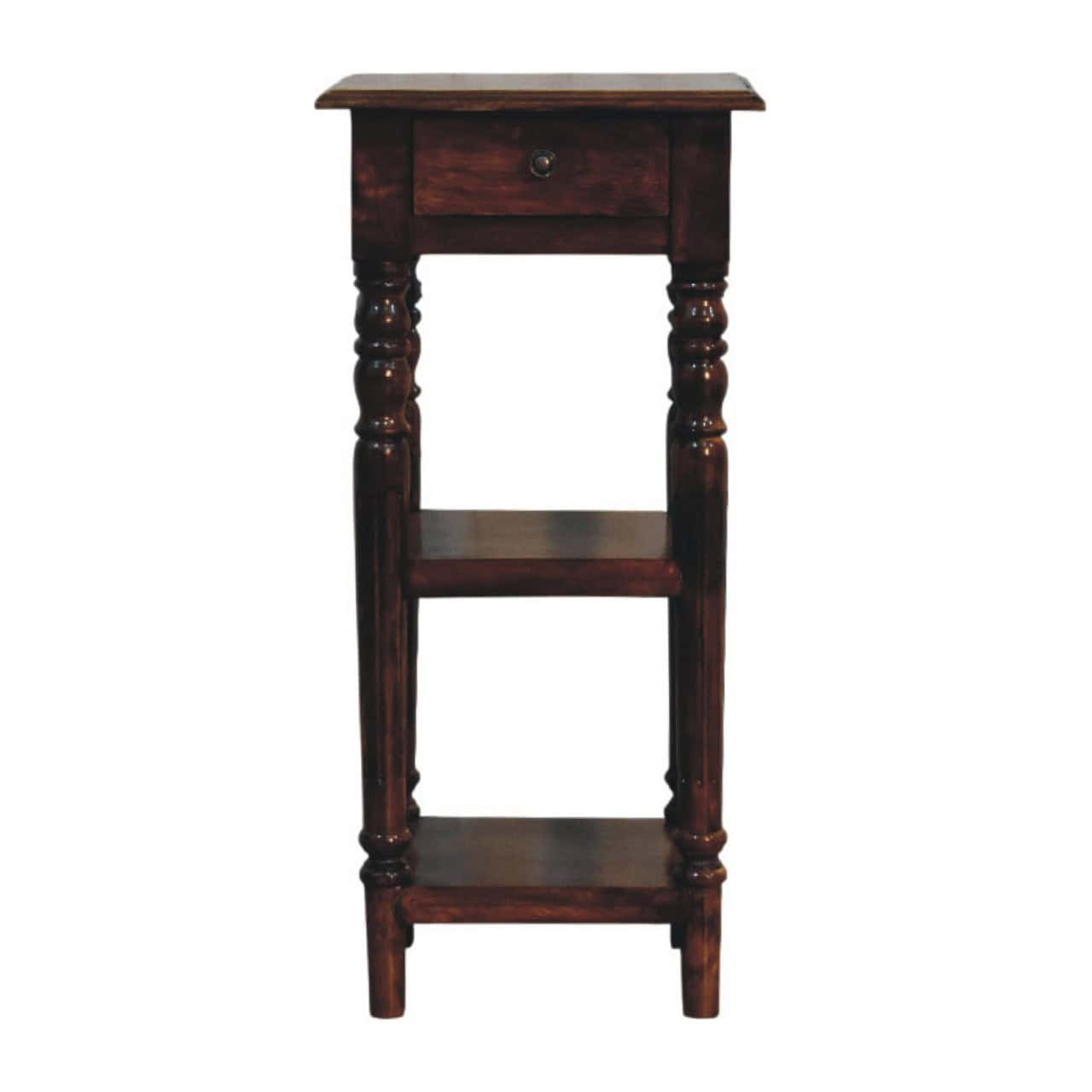
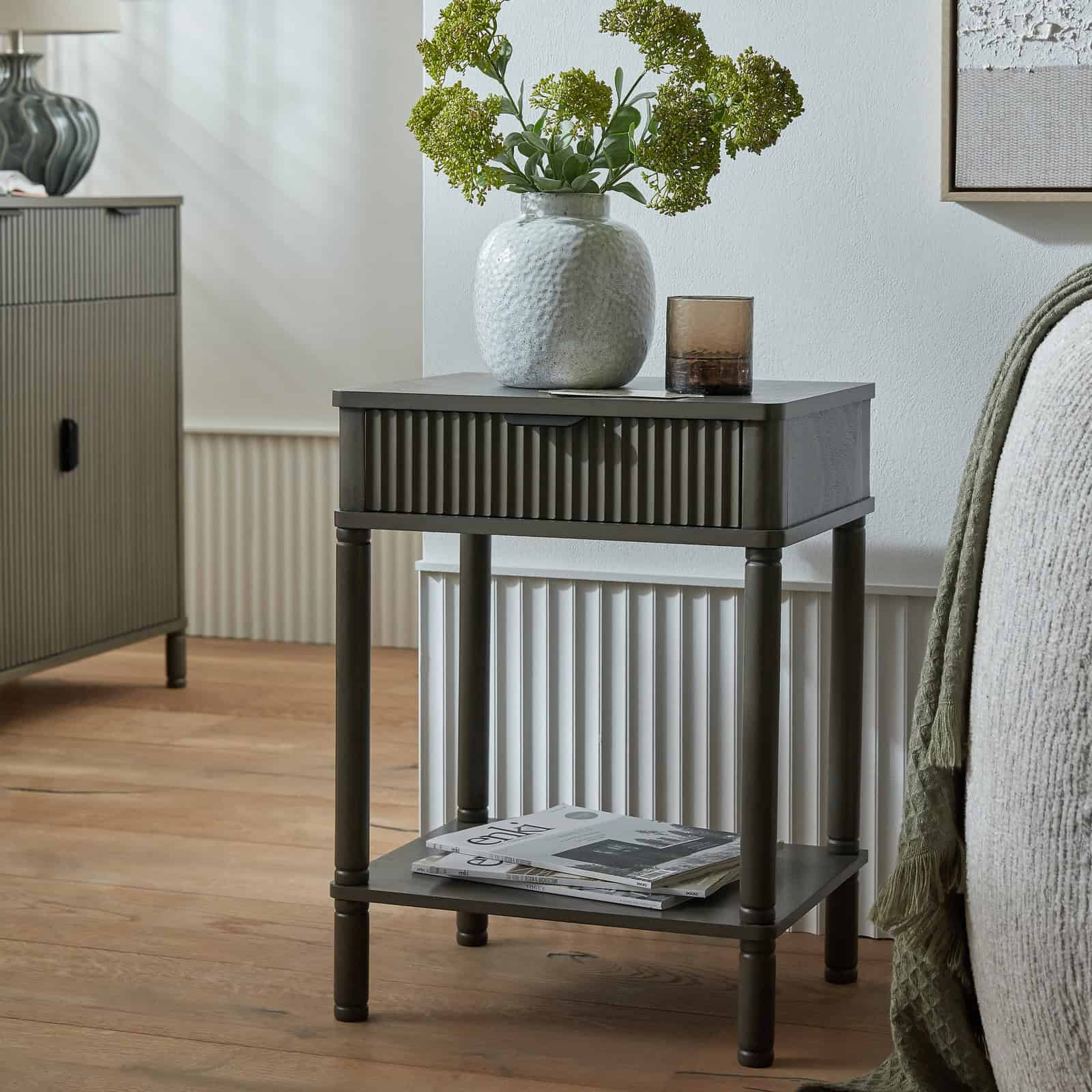
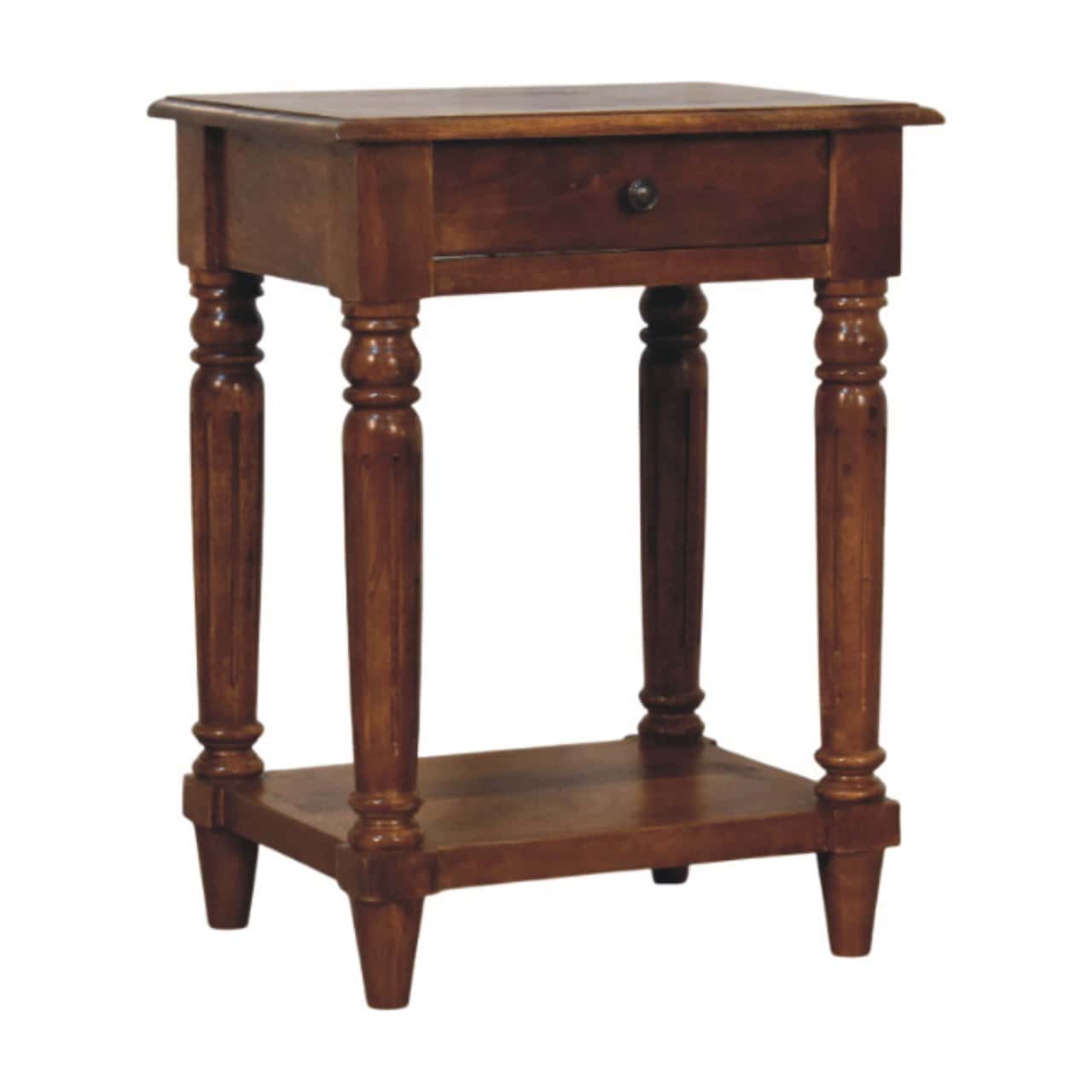
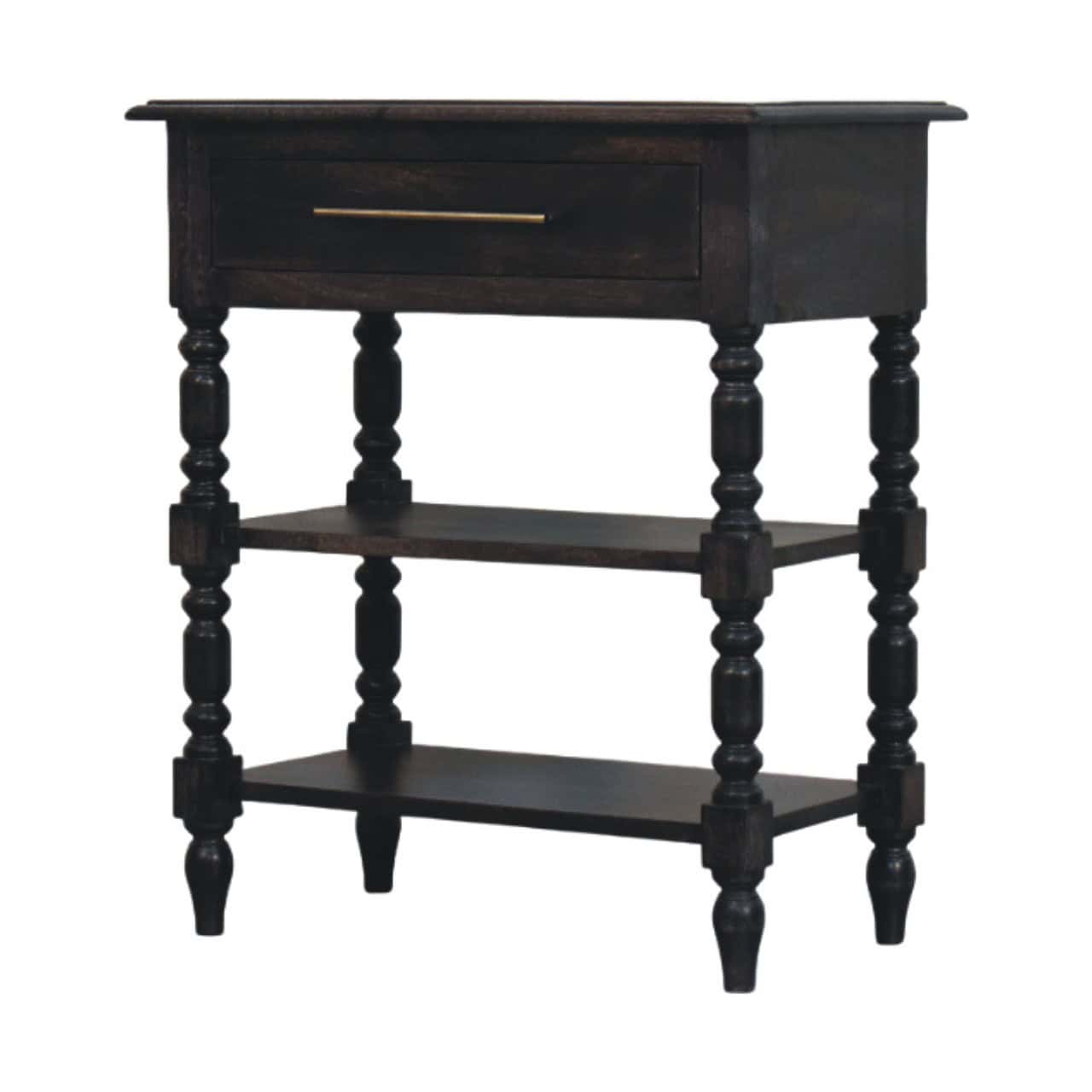
The best side-table format depends on what you want it to do. For everyday use, a simple table beside the sofa can provide enough room for a drink, book, lamp or other frequently used item. Open designs keep the surface visually light and straightforward, while tables with drawers can provide concealed storage for smaller belongings where that feature is supported.
Nesting side tables offer greater flexibility because they can be grouped together when not all of the surfaces are needed, then separated when guests arrive or additional space is useful. This makes them practical in rooms where floor space needs to work harder. Sets can also be positioned around different seats rather than remaining permanently in one place.
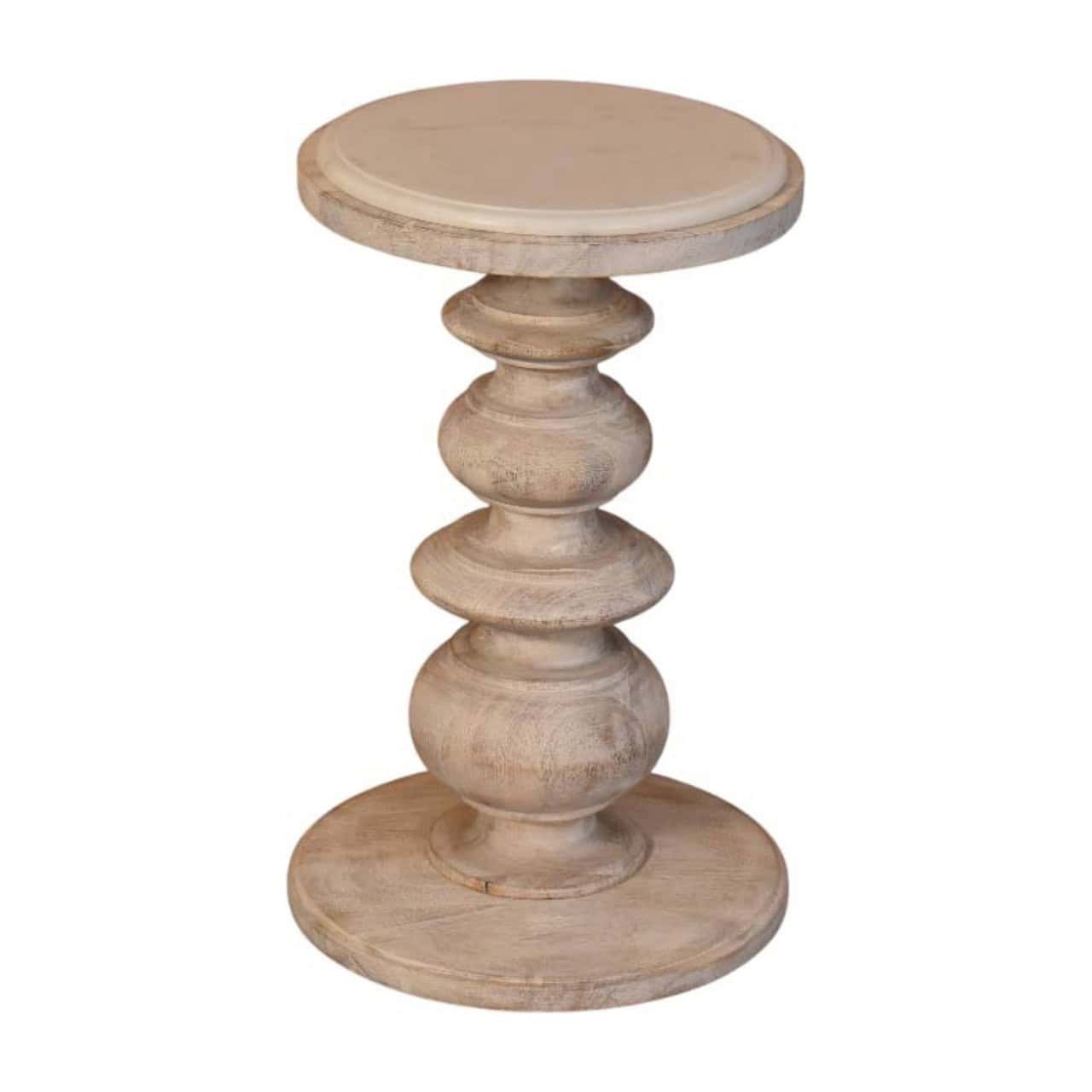
For customers who prioritise appearance, statement or accent tables can act as a decorative feature as well as a usable surface. A sculptural pedestal, unusual finish or distinctive shape can give a smaller piece more presence within the room. The key is to choose according to how often the table will be used, how much surface area is required and whether storage, flexibility or decorative impact matters most. A more practical design may suit daily use, while a bolder luxurious side table can bring greater visual interest to a quieter seating area.
Designer Side Tables With Distinctive Shapes
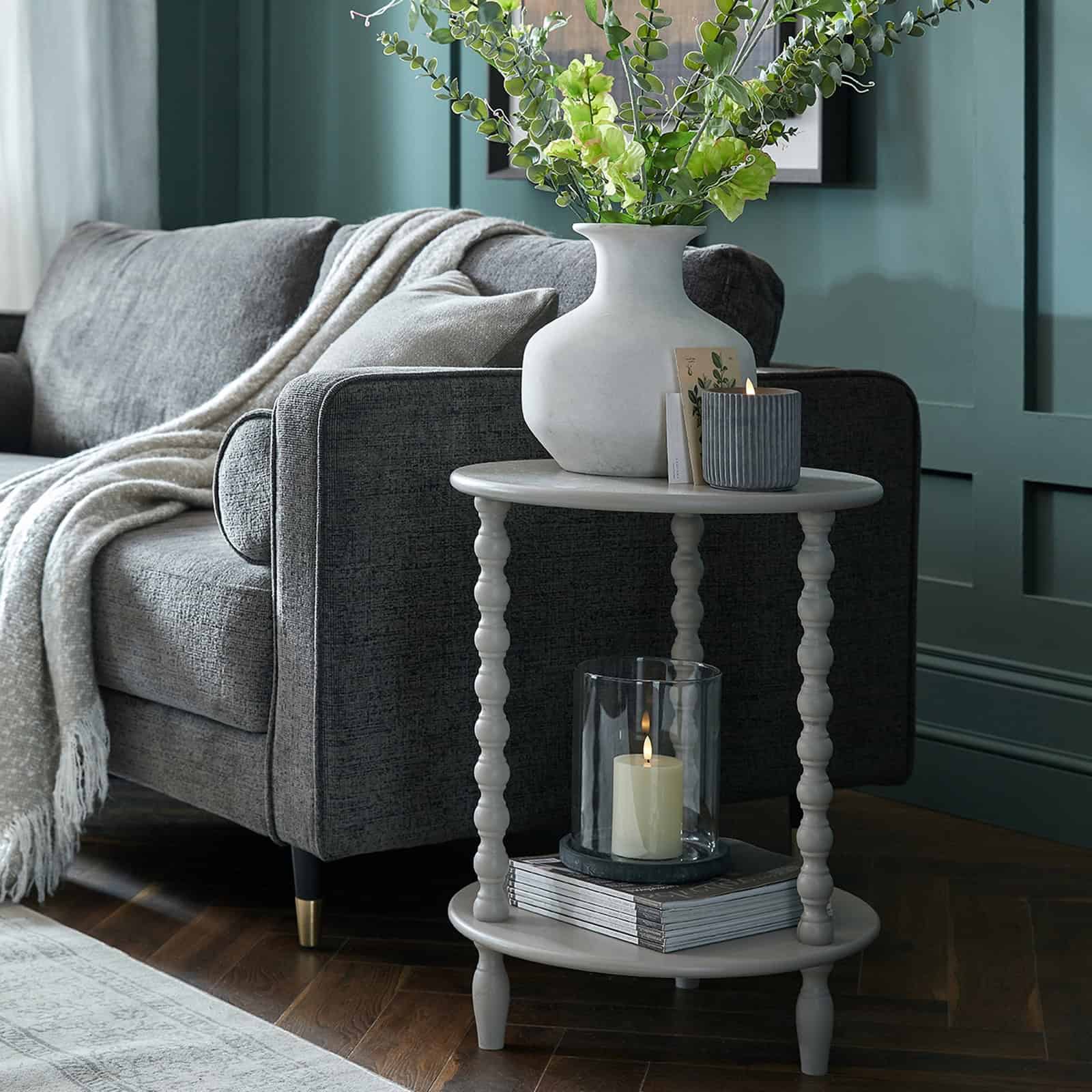
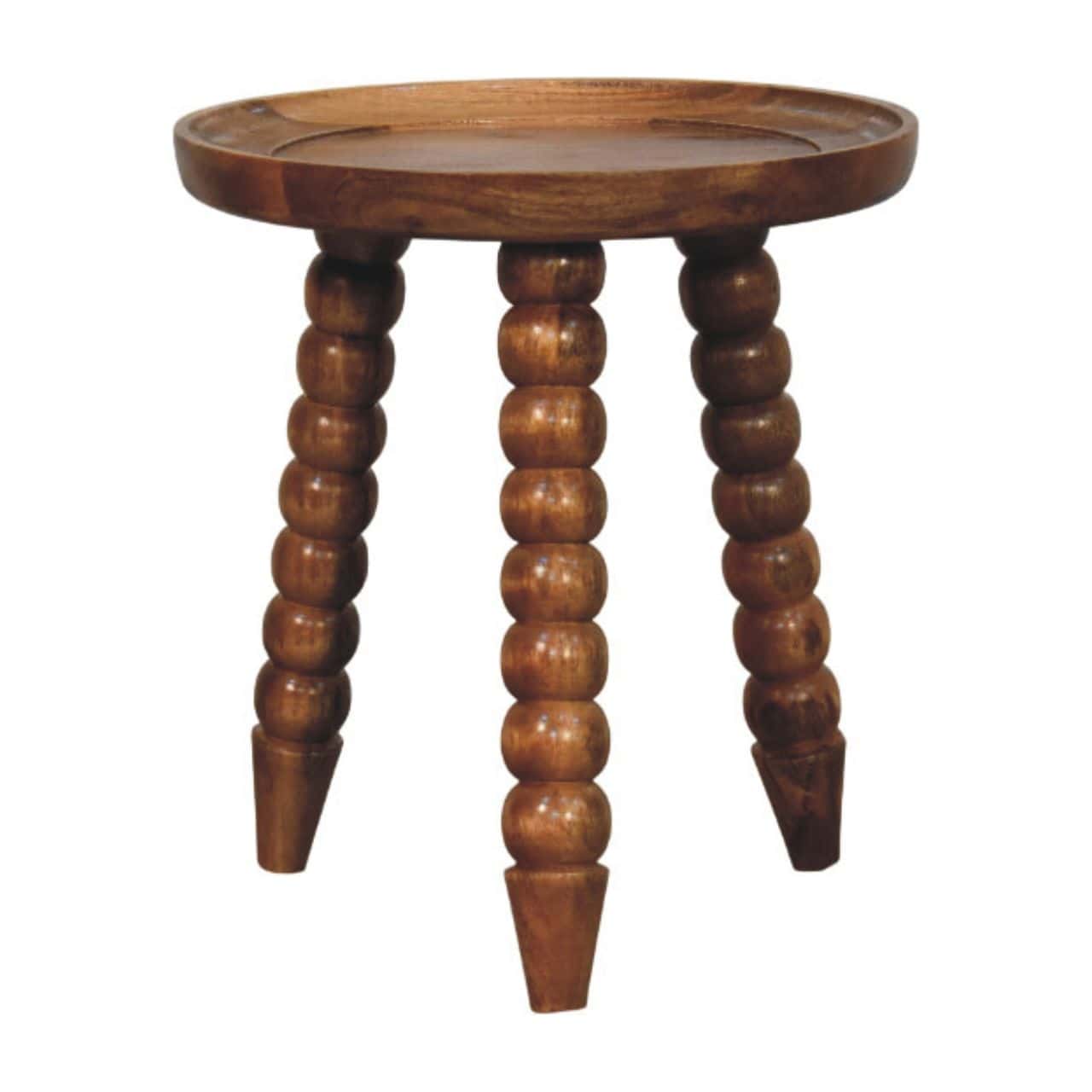
Shape can make a side table feel far more distinctive than its size suggests. Round and circular forms introduce softer lines beside angular sofas and armchairs, while pedestal designs create a more sculptural silhouette with a stronger central base. Curved profiles and geometric or unusual forms can also turn a compact table into a noticeable feature.
Designer side tables with distinctive bases, metallic details or industrial-inspired finishes can add character without requiring a large footprint. Contemporary side tables with cleaner silhouettes, meanwhile, can complement more elaborate seating or patterned décor without competing for attention. The balance depends on whether you want the table to stand out or quietly support the rest of the room.
Unique side tables are particularly effective when their form is allowed enough surrounding space to be seen clearly. An elegant side table may use restrained proportions and a refined finish, while a stylish side table can introduce a more expressive shape or surface treatment. If you want something stronger, unusual geometry or a sculptural pedestal can create a focal point. Simpler shapes remain useful when the sofa, artwork or other furniture already carries most of the visual emphasis.
Side Table Sets and Flexible Arrangements
Side-table sets can provide more flexibility than a single fixed surface, particularly in rooms where the layout changes between everyday use and entertaining. Sets of two or three allow individual tables to be separated and positioned beside different seats when additional surface space is needed.
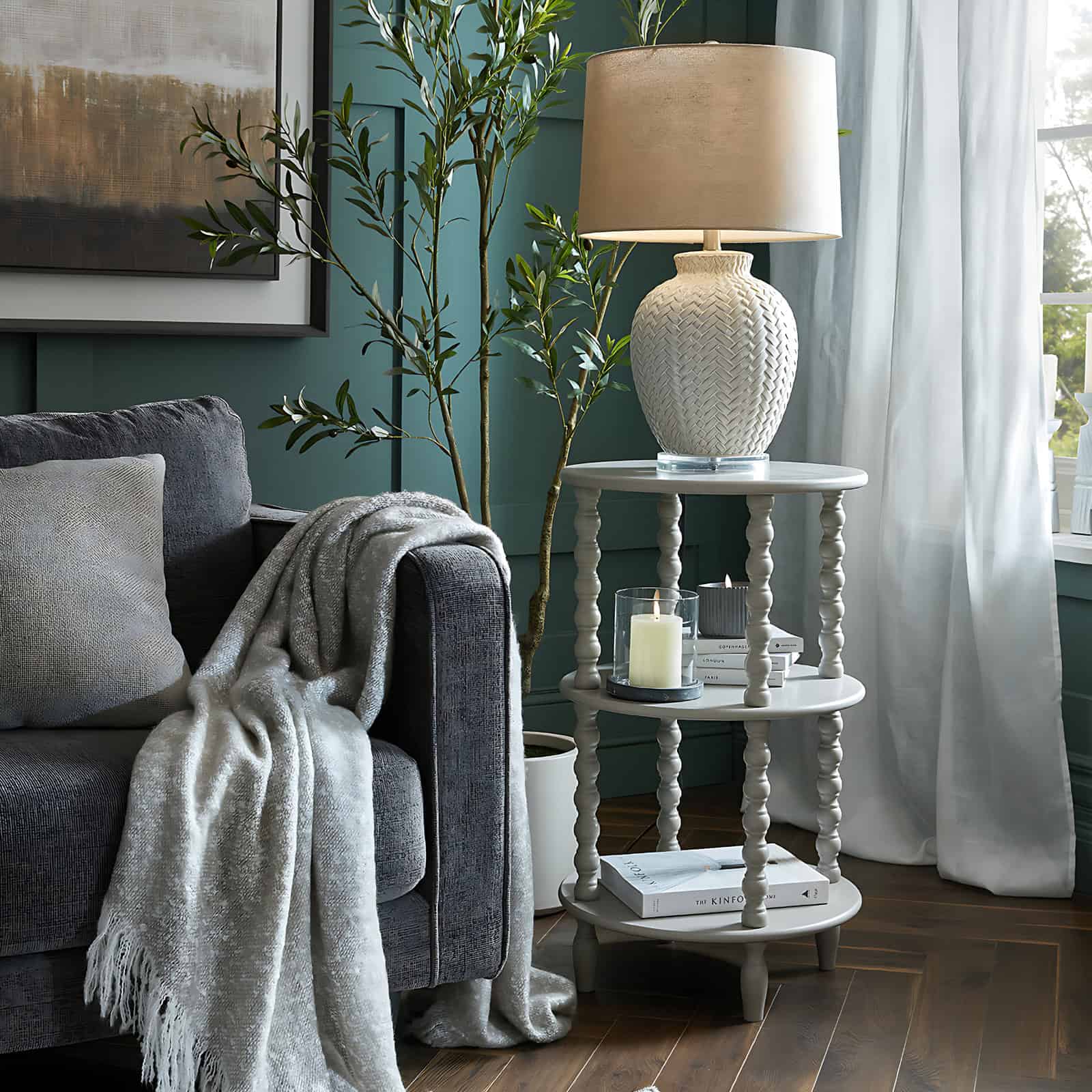
Nesting arrangements are especially useful because smaller tables can sit partly or fully beneath a larger one when not in use, reducing the amount of permanent floor space they occupy. When guests arrive, they can be pulled apart and moved closer to sofas or armchairs as required.
Different table heights can also create visual variation when a set is grouped together, giving the arrangement more depth than several identical surfaces at the same level. If the room layout changes frequently, choosing a set gives you more freedom to reposition the tables without introducing several unrelated pieces of furniture. The result is a flexible arrangement that can expand when needed and remain compact when everyday floor space takes priority.
Materials and Finishes That Define the Look
Materials and finishes can change the character of a side table significantly, even when the overall proportions are similar. Wood and wooden finishes bring warmth and natural-looking texture, while rattan is represented on selected designs for a lighter, more tactile appearance. Mirrored finishes can create a more reflective decorative effect, and metallic designs introduce stronger contrast or a more contemporary feel.
Industrial-style finishes are also represented, particularly where metal, darker tones or more robust detailing give the table a less polished, more utilitarian character. At the other end of the spectrum, carved, textured and decorative surfaces can make the table feel more ornamental. Live-edge details create a more organic outline where genuinely supported, while painted finishes offer another route for introducing colour.
No single material or finish should be assumed across the full range. The best choice depends on how the table needs to relate to nearby furniture, flooring and accessories. A lighter finish can feel less visually dominant, while darker, mirrored or metallic surfaces can give a small table greater presence within the room.
Getting the Proportions Right Beside Your Furniture
A side table should be easy to reach from the sofa or armchair without feeling awkwardly high, low or far away. Rather than relying on one fixed measurement, compare the table height with the seat and arm beside it. The aim is to keep everyday items comfortably accessible while maintaining a balanced relationship between the pieces.
Width, diameter and depth matter too. A broad table may offer more surface area, but it can feel oversized beside a compact armchair or restrict movement in a narrow seating area. Smaller designs are often better suited to tighter gaps, while larger side tables can sit comfortably beside more substantial sofas where there is enough floor space.
Leave sufficient clearance so people can move past without catching the table or squeezing between pieces. Visual weight matters as well: a solid or heavily detailed table can appear larger than an open or slender design with similar dimensions. Considering both physical size and visual presence will help the table feel proportionate to the seating.
Styling Side Tables as Part of Your Décor
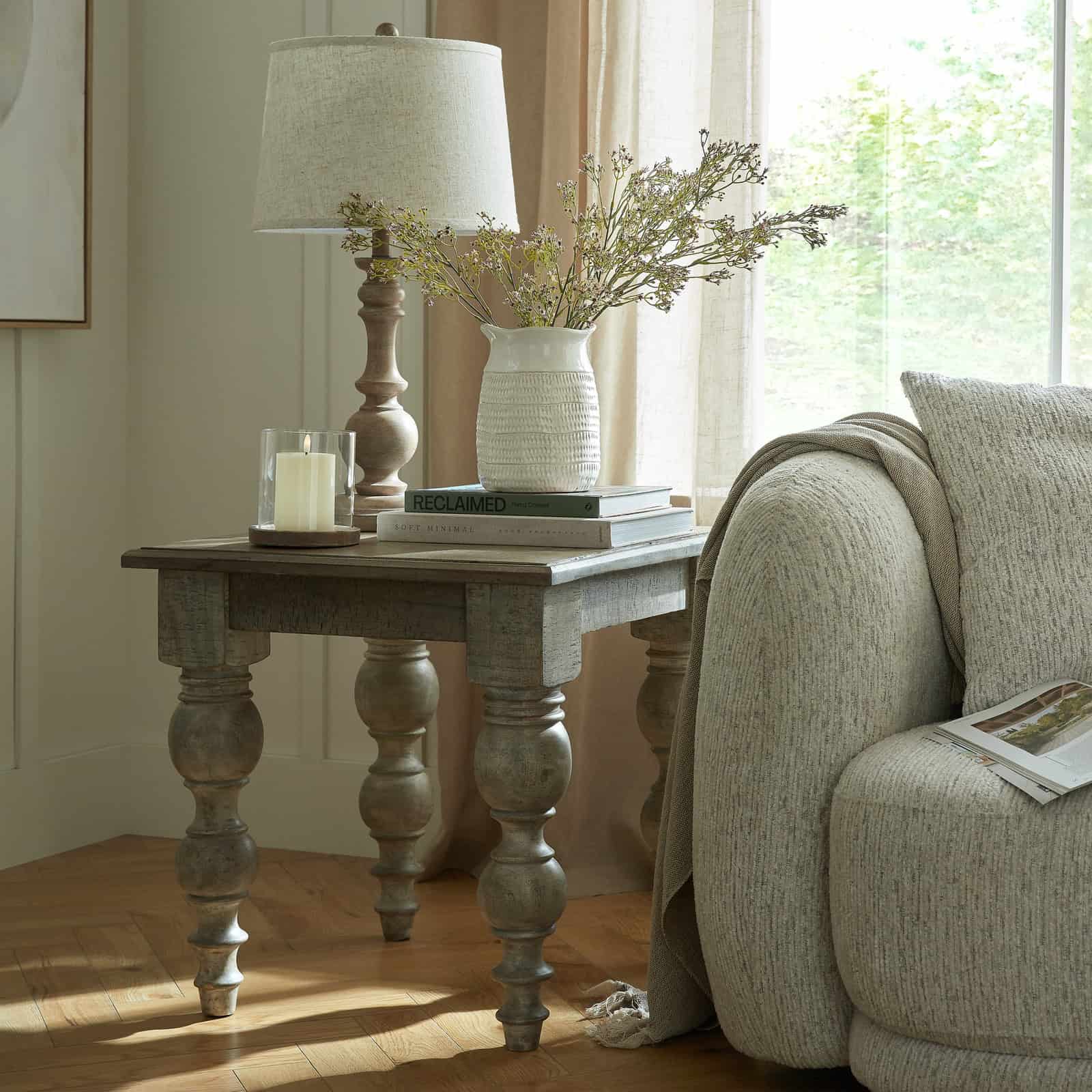
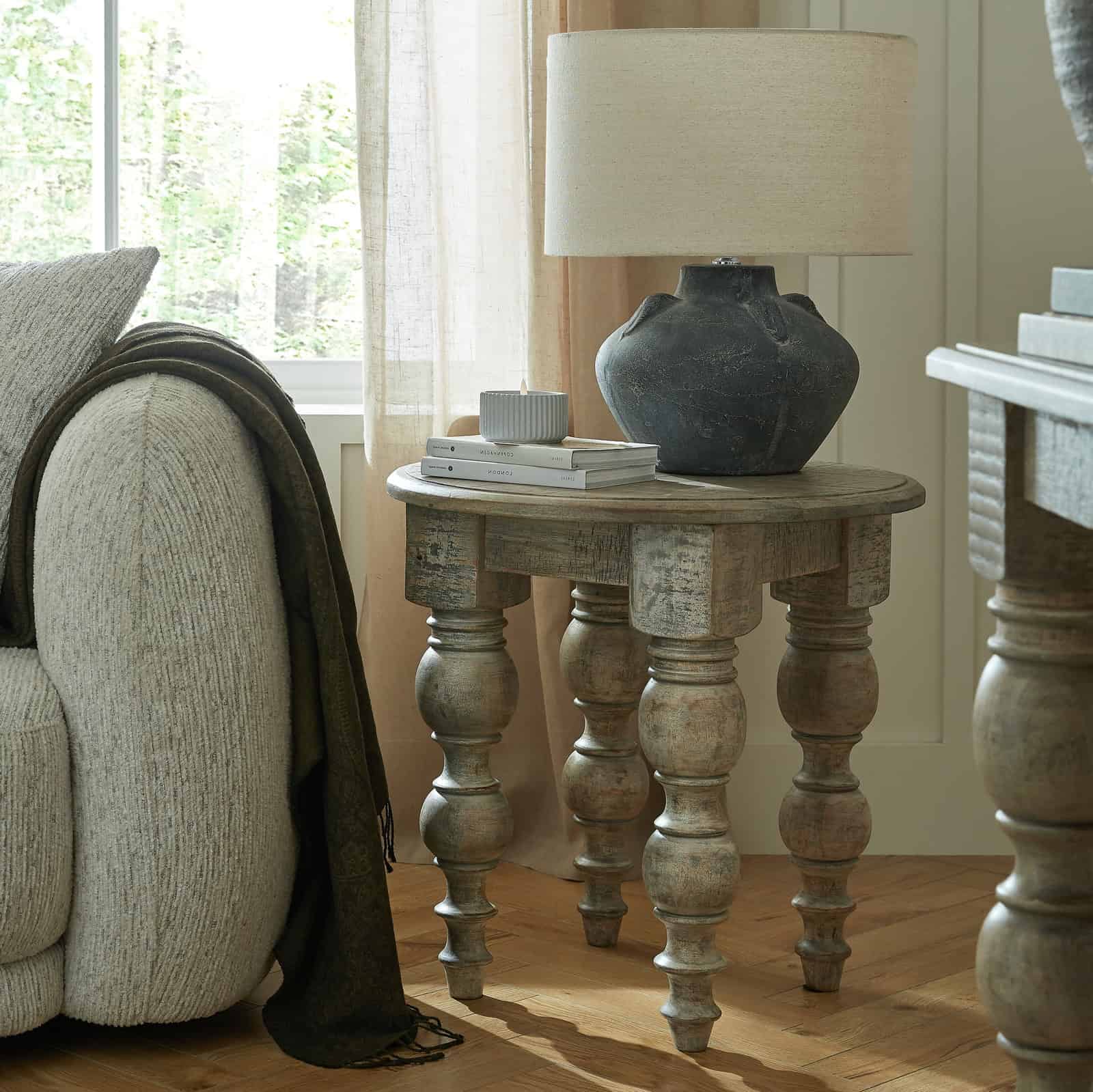
A side table can support the wider décor without losing its practical role. Table lamps, books, vases, candles and decorative objects can all work well on the surface, while a small tray can keep items organised.
Home decor side tables do not need to match nearby furniture exactly. Repeating a wood tone, metal finish or colour can create continuity, while deliberate contrast can make the table more noticeable. An elegant side table can sit quietly beside a statement sofa, whereas a decorative piece can add interest alongside simpler seating. The same applies to a stylish side table with a stronger shape or finish.
Keep enough clear surface area available for everyday use. A table covered completely with accessories becomes less useful for drinks, books or a phone, so a smaller number of chosen pieces often works better. Coordinating the table with lighting, seating and decorative accessories should enhance its function rather than turn it into a display surface only.
Luxury Side Tables From Dukes Home Interiors
Luxury side tables from Dukes Home Interiors include individual tables, nesting sets, pedestal pieces, end tables and decorative formats in a wide range of shapes and proportions. Compact options can work beside smaller seating areas, while more substantial designs provide additional surface space where the room allows. Contemporary, rustic, industrial-inspired and more traditional influences are represented, with wood, rattan, mirrored, metallic, carved and other decorative finishes available across individual designs. Whether you want a practical everyday surface or a more distinctive luxury side table, there are options that prioritise function, visual impact or a balance of both. Explore the wider living room furniture range to coordinate side tables with sofas, armchairs, coffee tables and other pieces where it feels natural.
Frequently Asked Questions About Side Tables
What is a side table used for?
A side table provides a convenient surface beside seating for drinks, books, lamps, remote controls and decorative accessories. Some designs also include drawers or additional surfaces for storage.
How high should a side table be next to a sofa?
There is no single ideal height for every sofa. Compare the table with the sofa seat and arm height so items remain comfortable to reach and the proportions feel balanced.
Can I use a side table next to an armchair?
Yes. Side tables work particularly well beside armchairs, provided the height and width suit the chair and there is enough surrounding space to move comfortably.
Are nesting side tables useful in a small living room?
Yes. Nesting tables can be grouped together to reduce their permanent footprint and separated when additional surfaces are needed, making them particularly flexible in smaller rooms.
Should a side table match my coffee table?
No. The pieces can coordinate through colour, material, shape or finish without matching exactly. Deliberate contrast can also work well when the overall room feels balanced.
What should I put on a side table?
A lamp, book, vase, candle, small tray or decorative object can all work well. Leave enough clear space for practical everyday items such as a drink or phone.
Can side tables be used in bedrooms?
Yes, where the proportions and design are suitable. Some side tables can provide useful surface space beside a chair, bed or other bedroom furniture.
How do I choose a side table for my living room?
Consider how you plan to use it, the available floor space, its height beside the seating and whether you need storage, nesting flexibility or a more decorative statement design.