Find the Right Cabinet for What You Need to Store
The most useful cabinet configuration depends on what you plan to keep inside it. Enclosed cabinets are well suited to everyday belongings you would rather keep out of sight, helping the room feel calmer without sacrificing useful storage. Open-shelf designs take the opposite approach, keeping books, decorative objects and frequently used items visible and easy to reach.
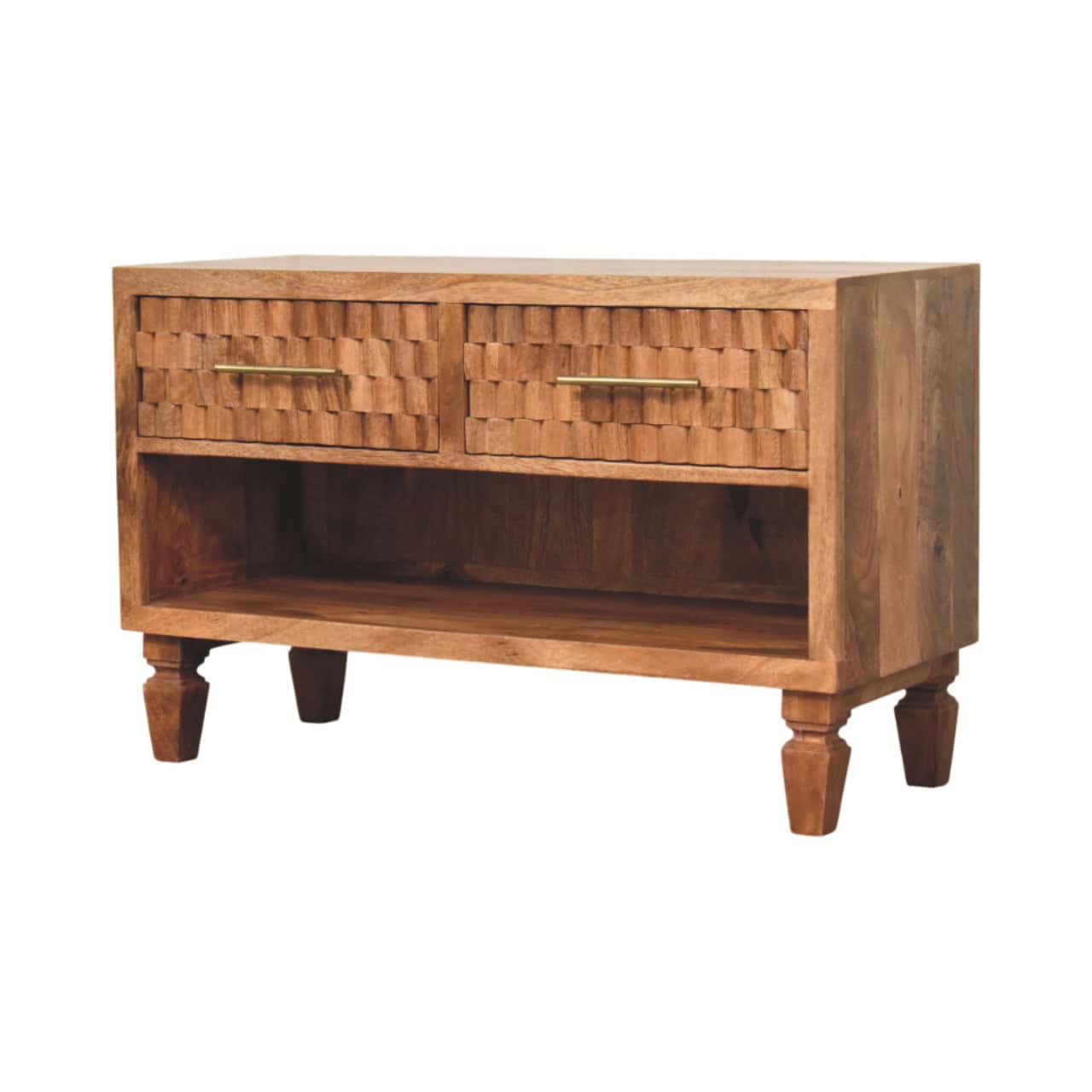
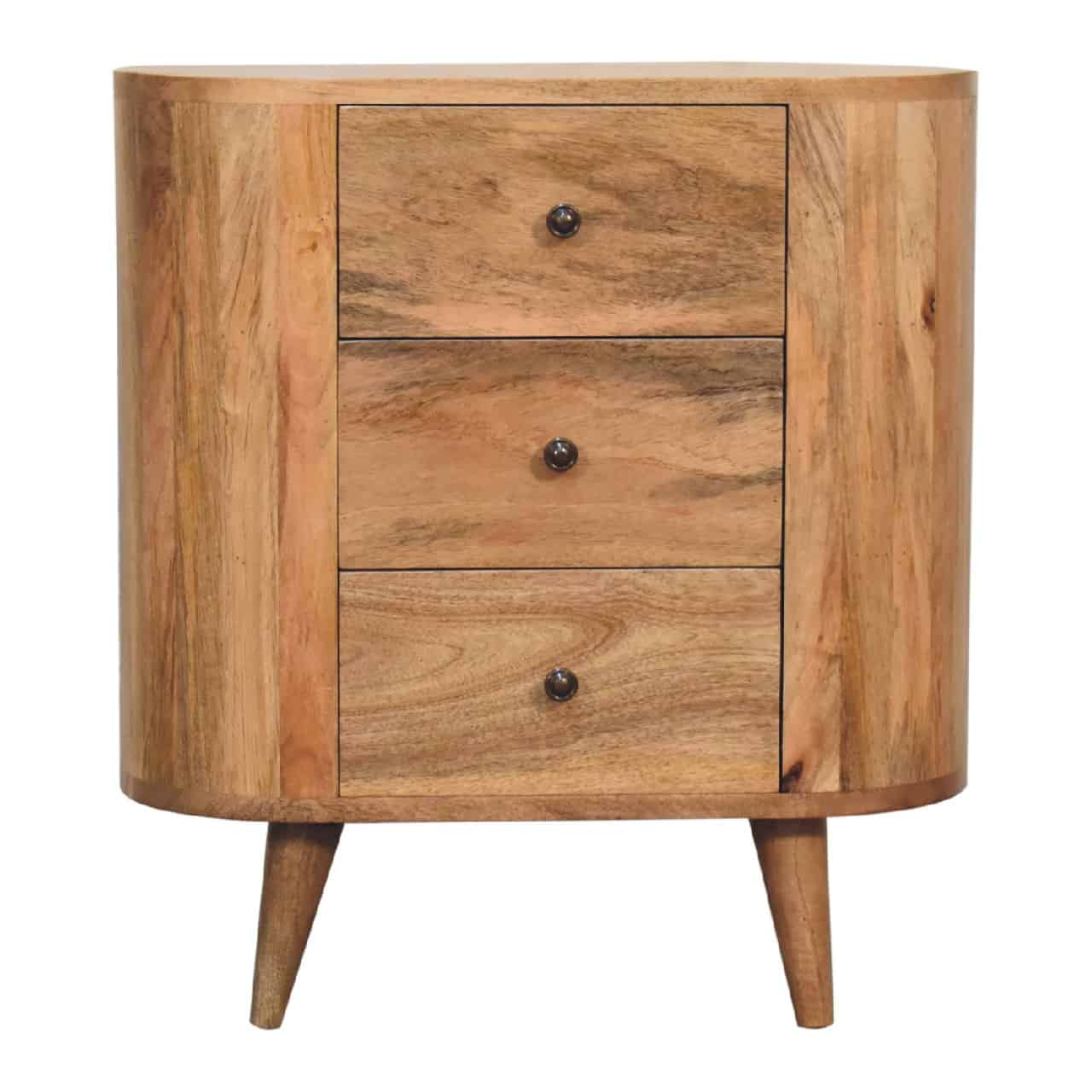
Drawer cabinets and chests are particularly useful for smaller belongings that benefit from being separated into dedicated compartments. Multiple drawers can make it easier to organise accessories, paperwork or other items without relying on larger open spaces. Where both display and concealment matter, designs combining shelves, doors or drawers can provide a useful balance.
Specialist furniture should be chosen for the purpose it was designed to serve. Media units are better suited to televisions and related equipment because their proportions and storage are intended around that use, while dedicated wine cabinets provide appropriate space for bottles and drinks accessories. The key is to match the format of the cabinet to the contents rather than choosing on appearance alone. This keeps the furniture genuinely useful while ensuring the storage configuration makes sense for the room and the items you use most often.
Living Room Cabinets That Work With Your Interior
A cabinet works best when it feels like part of the room’s furniture scheme rather than an additional storage box. In modern and contemporary interiors, cleaner lines, simpler fronts and restrained finishes can complement existing furniture without competing for attention. A modern living room cabinet can therefore be understated, allowing a sofa, artwork or feature lighting to remain the visual focus.
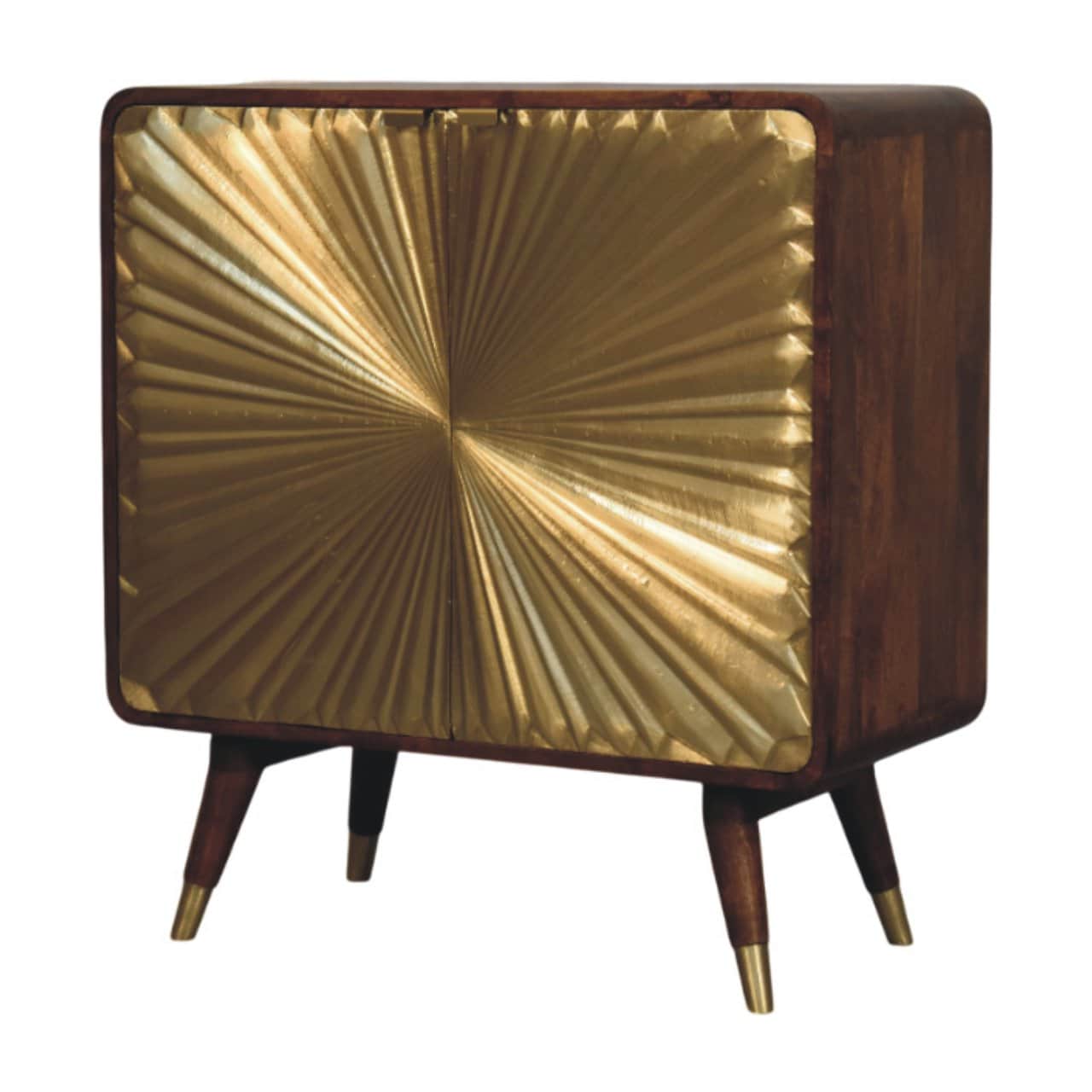
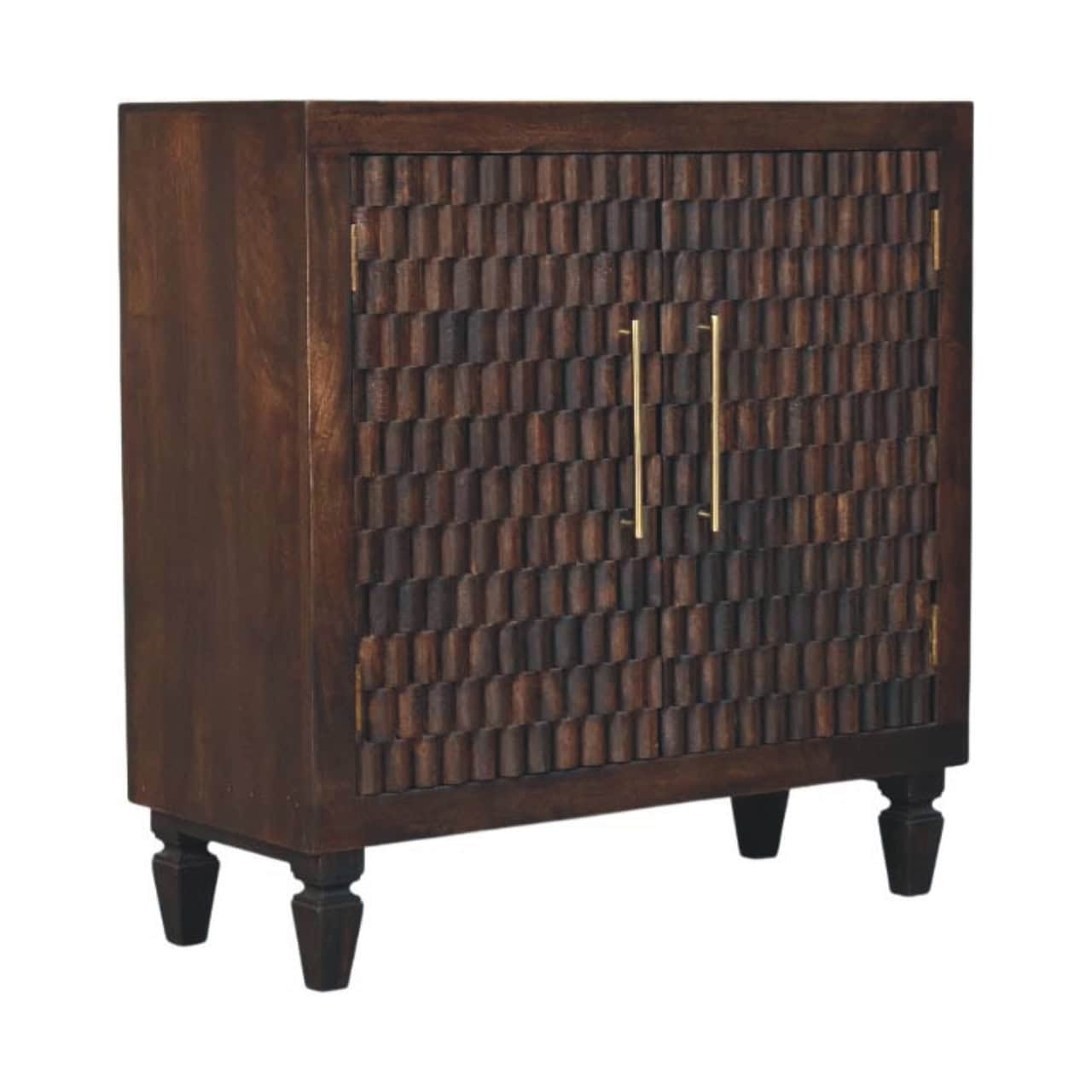
Modern living room cabinets can also take a more expressive approach. Carved surfaces, distinctive hardware, richer finishes, curved details or stronger colour can turn storage into a statement piece. When that is the intention, consider how the cabinet contrasts with nearby furniture and whether there is enough visual space around it to let the design stand out.
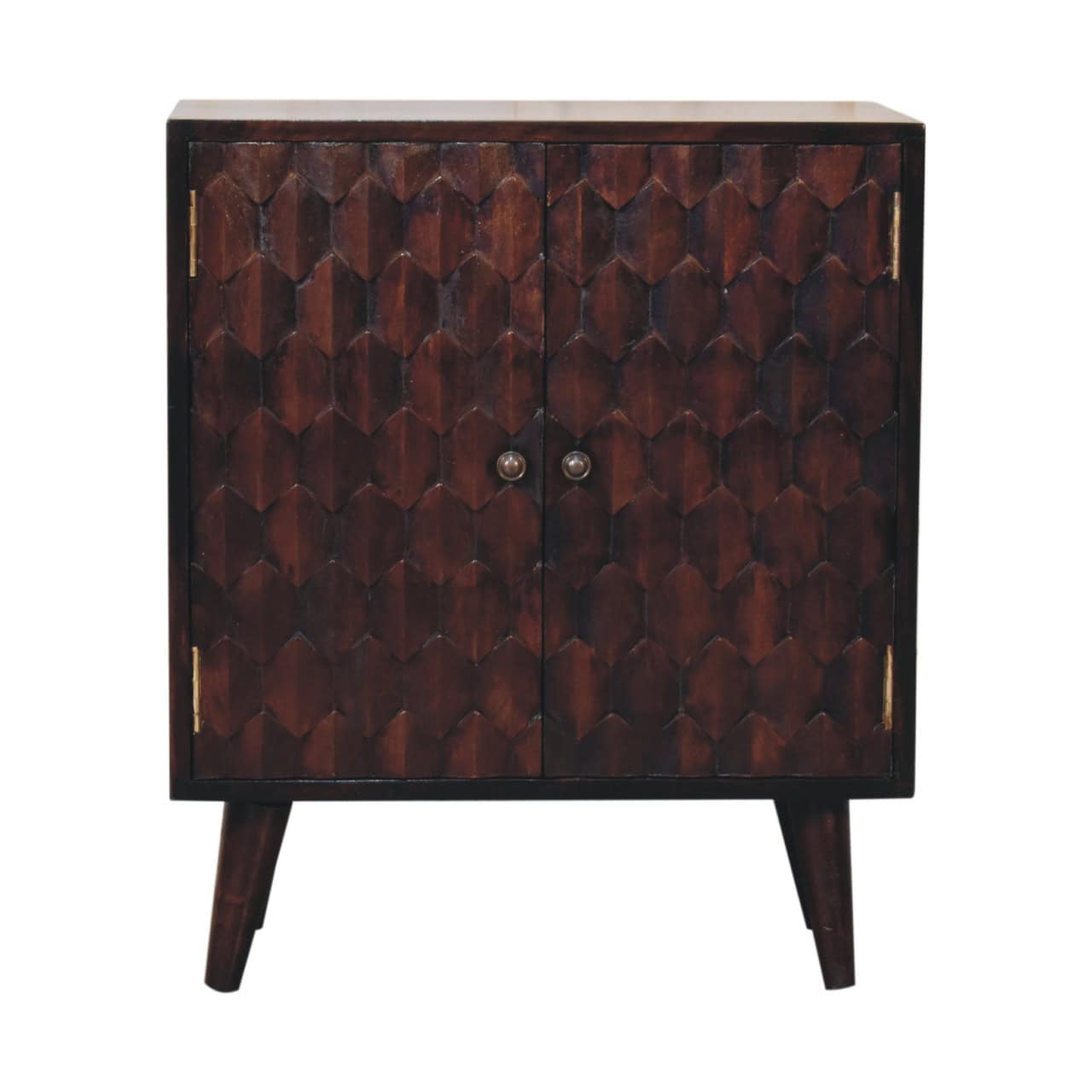
More decorative or traditional-looking pieces can introduce texture and character, particularly where the rest of the room is relatively simple. When choosing cabinet furniture for living room schemes, look at colour, finish, shape and detailing together rather than in isolation. Simpler designs can quietly support the wider interior, while statement cabinets can provide a deliberate focal point. The right choice depends on whether you want the cabinet to blend into the scheme or contribute a stronger visual identity.
Make the Most of Different Cabinet Sizes and Configurations
Cabinet format can influence how comfortably a piece fits into the room just as much as its overall measurements. Tall cabinets make effective use of vertical space and can provide generous storage without occupying as much wall width. Lower cabinets create a broader, lower-profile arrangement and can work particularly well beneath artwork, alongside seating or within rooms where you want to keep sightlines more open.
Compact cabinets are useful in smaller areas, alcoves or narrower stretches of wall where a larger piece would feel dominant. At the other end of the scale, wider or larger cabinets provide increased storage capacity where the room has enough space to support their proportions. Corner designs can also make use of awkward areas that may not suit standard rectangular furniture.
Open configurations often feel visually lighter, while enclosed designs create a more solid presence and conceal more of their contents. Whichever format you choose, compare the height, width and depth with surrounding sofas, tables and other furniture. Leaving sufficient space around the cabinet will help it feel proportionate rather than crowded into the room.
Contemporary Storage Cabinets With Character
Contemporary storage cabinets can bring personality to a room through their detailing as much as through their overall shape. Clean, simple forms suit interiors where storage needs to remain visually quiet, but more distinctive designs can introduce texture, movement and contrast without losing their practical purpose.
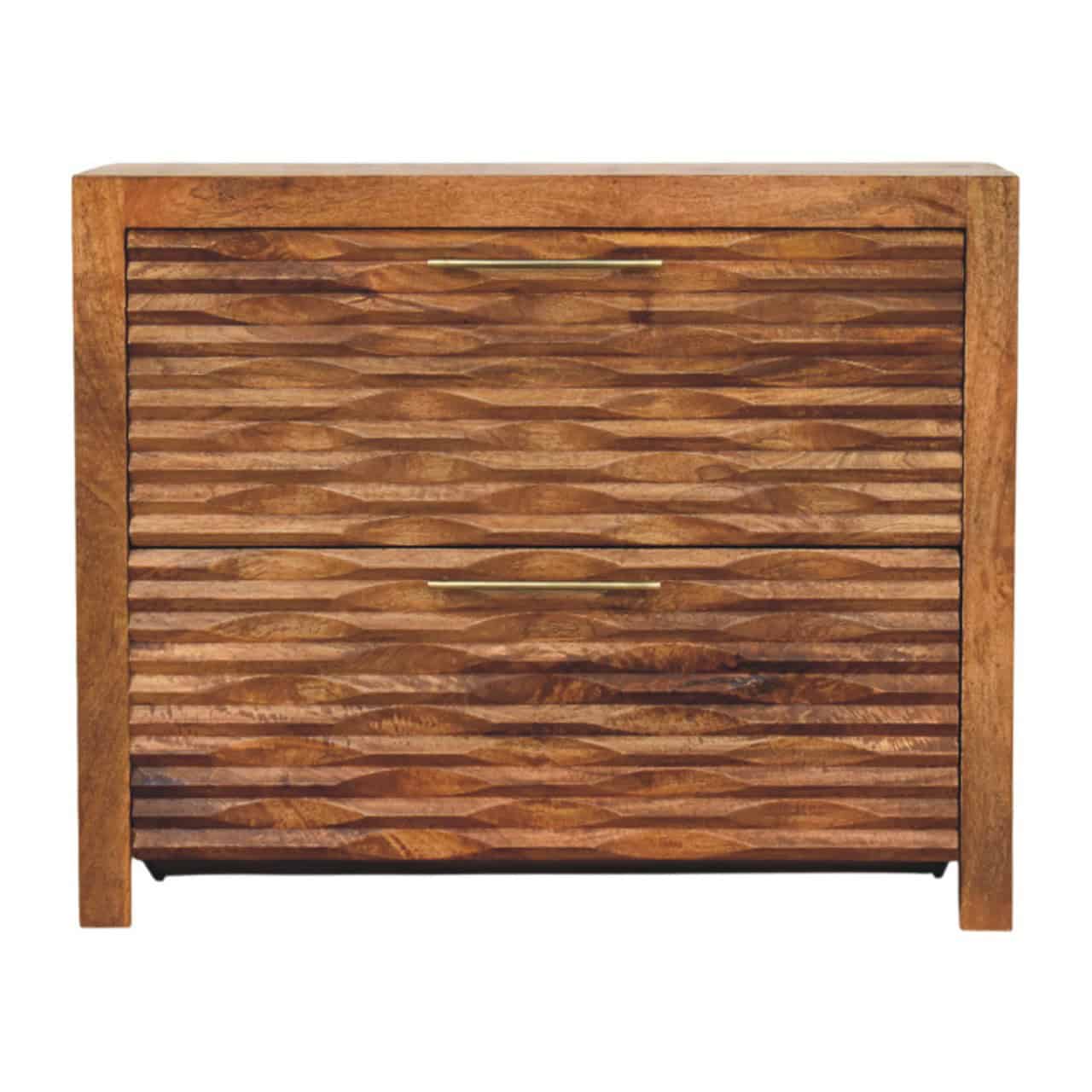
Carved fronts and decorative surface treatments can turn a cabinet door into a feature, while ridged or textured finishes add depth in a subtler way. Open shelving changes the visual balance by breaking up solid surfaces and creating space for display. Sliding doors offer another practical variation, particularly where hinged doors would require more clearance in front of the furniture. Unusual handles and metallic hardware can also provide a small but noticeable design accent.
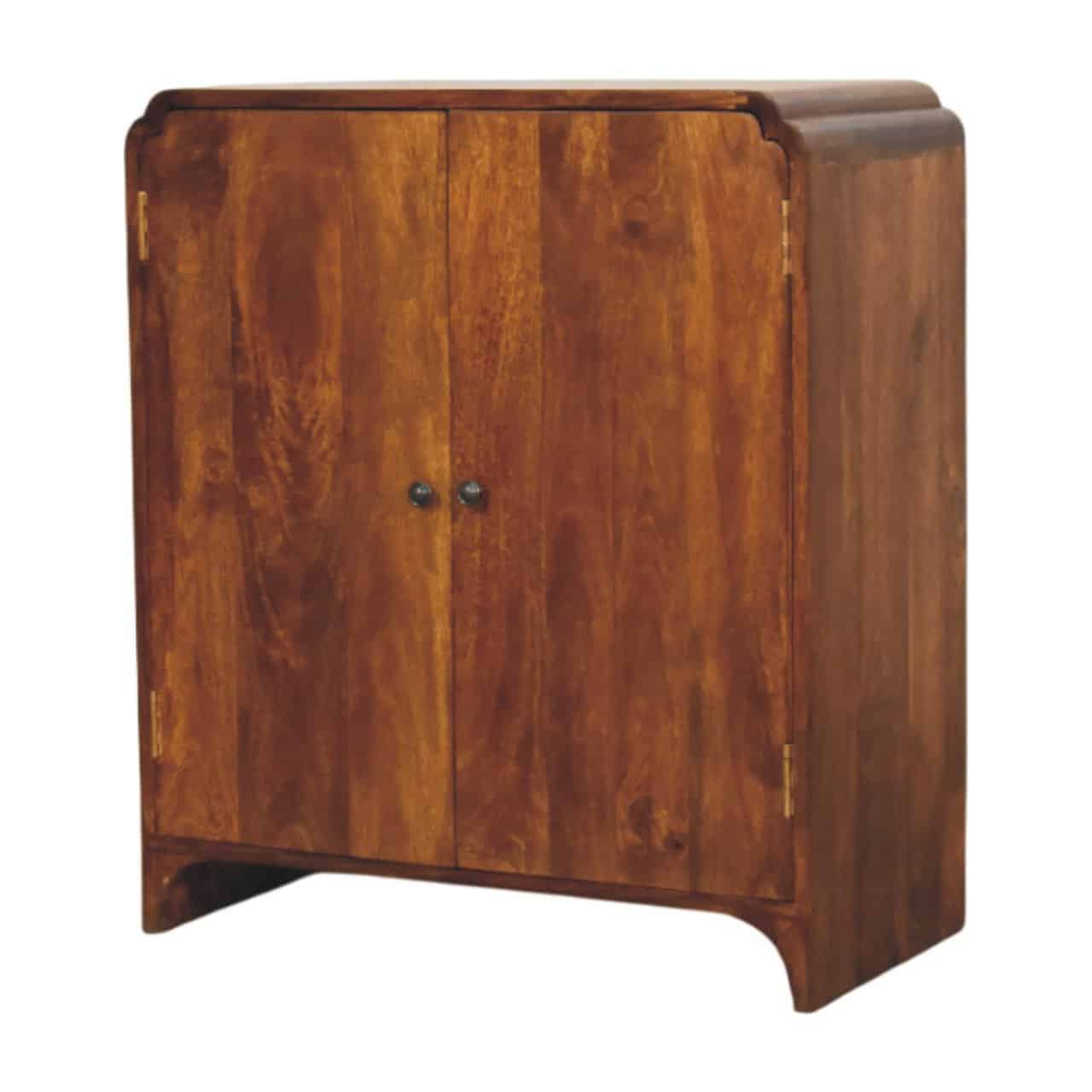
Where represented, curved or rounded elements soften the straight lines found in many living rooms, while statement finishes can make the cabinet a focal point. Industrial-inspired details, including exposed-looking hardware or contrasting metal accents, can create a more robust character. Rather than treating storage as something to disguise, these design features allow the cabinet itself to contribute shape, texture and visual interest to the wider interior.
Cabinet Materials and Finishes
Materials and finishes have a strong influence on whether a cabinet feels warm, understated, decorative or more contemporary. Wood and wooden finishes are well represented, with different tones creating noticeably different effects within a living room. Oak is used on selected products where the specification confirms it, while pine also appears on relevant designs. These materials should be considered product by product rather than assumed across every cabinet.
Brass details and hardware can introduce a warmer metallic accent, particularly against darker or natural-looking finishes. Painted surfaces provide another way to add colour or create contrast, while carved and textured fronts bring depth through pattern and surface detail rather than colour alone.
The finish can be just as important visually as the underlying material. Lighter wood tones can make a piece feel softer and less dominant, while deeper finishes or stronger decorative treatments create more presence. If a particular timber or construction matters to you, check the product specification before choosing rather than relying on the appearance of the finish alone.
Beyond Storage: How to Use a Cabinet in Your Living Room
A living room cabinet can do more than simply hide belongings. Enclosed sections are useful for everyday items you want close by but out of sight, while open shelves can hold books, framed photographs and decorative objects. Drawer storage provides a practical place for smaller items that are easier to manage when kept in separate compartments.
Where the configuration is suitable, cabinets can also provide space for glassware or tableware. Media equipment should be reserved for furniture designed around that purpose, such as dedicated TV entertainment units, where the dimensions and storage layout are more appropriate. Likewise, bottles and drinks accessories are best kept in cabinets specifically designed for wine or drinks storage.
The top surface can become useful display space in its own right. Depending on the cabinet’s height and position, a lamp, vase, artwork or a small group of decorative accessories can help connect the storage furniture with the rest of the room.
Creating a More Considered Living Room
Cabinets can help a living room feel more considered by reducing visible clutter while still leaving room for selected objects to be displayed. Enclosed storage keeps everyday belongings behind doors or within drawers, while open shelves and cabinet tops provide space for books, decorative accessories and pieces you want to see.
Look at the cabinet alongside existing sofas, coffee tables, lighting and other furniture. Repeating a wood tone or metal detail can create continuity, whereas a contrasting statement cabinet can deliberately introduce colour, texture or pattern. Both approaches can work when the choice feels intentional.
Placement matters too. Leave enough room around the cabinet for doors and drawers to open comfortably and avoid squeezing a larger piece between other furniture. Balanced spacing gives the cabinet enough presence to contribute visually while allowing it to continue functioning as practical living-room storage.
Luxury Cabinet Furniture From Dukes Home Interiors
Luxury cabinet furniture from Dukes Home Interiors includes compact and larger options, open and enclosed storage, drawer-based designs and specialist pieces for media or wine storage where appropriate. Modern forms sit alongside more decorative styles, with carved details, textured surfaces, distinctive hardware and a variety of wood, painted and statement finishes providing different visual directions. The breadth of configurations makes it possible to choose discreet storage for a smaller room or a more substantial cabinet where greater capacity is needed. For a coordinated interior, explore the wider living room furniture range, where cabinets can be considered alongside seating, tables and other pieces for the same space.
Frequently Asked Questions About Living Room Cabinets
What is the best type of cabinet for a living room?
The best type depends on what you need to store and the space available. Enclosed cabinets are useful for concealed storage, open designs provide display space, and drawer-based cabinets can help organise smaller belongings. Choose a configuration that suits both its contents and the proportions of the room.
What should I store in a living room cabinet?
Living room cabinets can hold books, everyday belongings and decorative objects, as well as glassware or tableware where the configuration is suitable. Specialist cabinets can also provide dedicated storage for media equipment, wine or drinks accessories.
Are living room cabinets better with doors or open shelves?
Neither is necessarily better. Doors keep belongings concealed and can reduce visible clutter, while open shelves provide accessible display space for books and decorative items. Some rooms benefit from a combination of both.
How do I choose the right size cabinet for my living room?
Measure the available floor and wall space and compare the cabinet’s proportions with surrounding furniture. Allow sufficient clearance for doors and drawers to open and make sure the piece does not restrict movement through the room.
How can I make a storage cabinet look stylish?
Choose a finish, shape and level of detailing that complements your existing furniture. A restrained cabinet can support a busier interior, while colour, carving, texture or distinctive hardware can turn the cabinet itself into a statement feature.
What is the difference between a cabinet and a storage unit?
A cabinet generally refers to a defined piece of furniture containing doors, drawers, shelves or a combination of these. A storage unit is a broader term that can also include more open shelving and other storage formats.
Can a living room cabinet be used for TV or media equipment?
Only where the furniture is suitable for that purpose. Dedicated media units and TV entertainment units are preferable because their proportions and storage configurations are designed with televisions and related equipment in mind.
How do I choose a cabinet for a modern living room?
Consider clean proportions, finish, shape and the amount of detailing already present elsewhere in the room. Simpler cabinets can complement a minimalist scheme, while curved forms, textured fronts, statement finishes or distinctive hardware can introduce character to a modern interior.