Where Can You Use a Console Table?
Console tables are especially versatile because their relatively narrow proportions allow them to work in several areas of the home. Hallways and entranceways are natural locations for luxury hallway tables, providing a convenient surface for keys, a lamp, flowers or decorative accessories without requiring the depth of a larger piece of furniture. Positioning the table against a wall also helps keep circulation space clear.
Living room console tables can sit against an open wall, beneath artwork or, where the dimensions are suitable, behind a sofa. A console behind a sofa can provide an additional surface for lighting, books or decorative objects while helping define the seating area. In open-plan rooms, a well-proportioned console can also create a subtle visual division between zones without introducing a bulky barrier.
Some designer console tables can work in bedrooms, studies or other areas where their scale and configuration suit the space. The important point is proportion: consider the width of the wall, the depth available and what needs to sit on the surface. A compact console can add function to a narrower area, while a wider piece can provide greater display or storage space where the room allows it.
Display, Storage or Both?
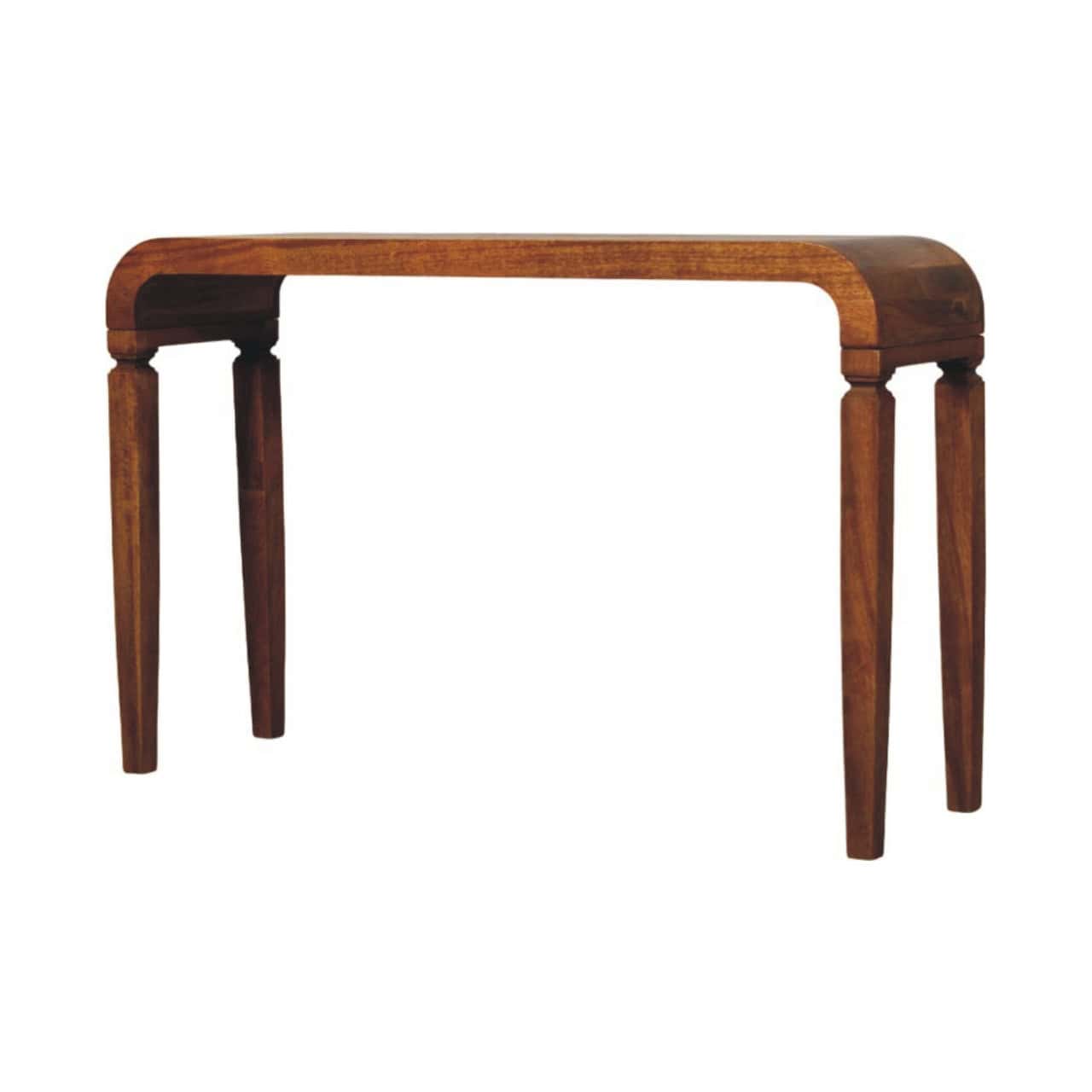
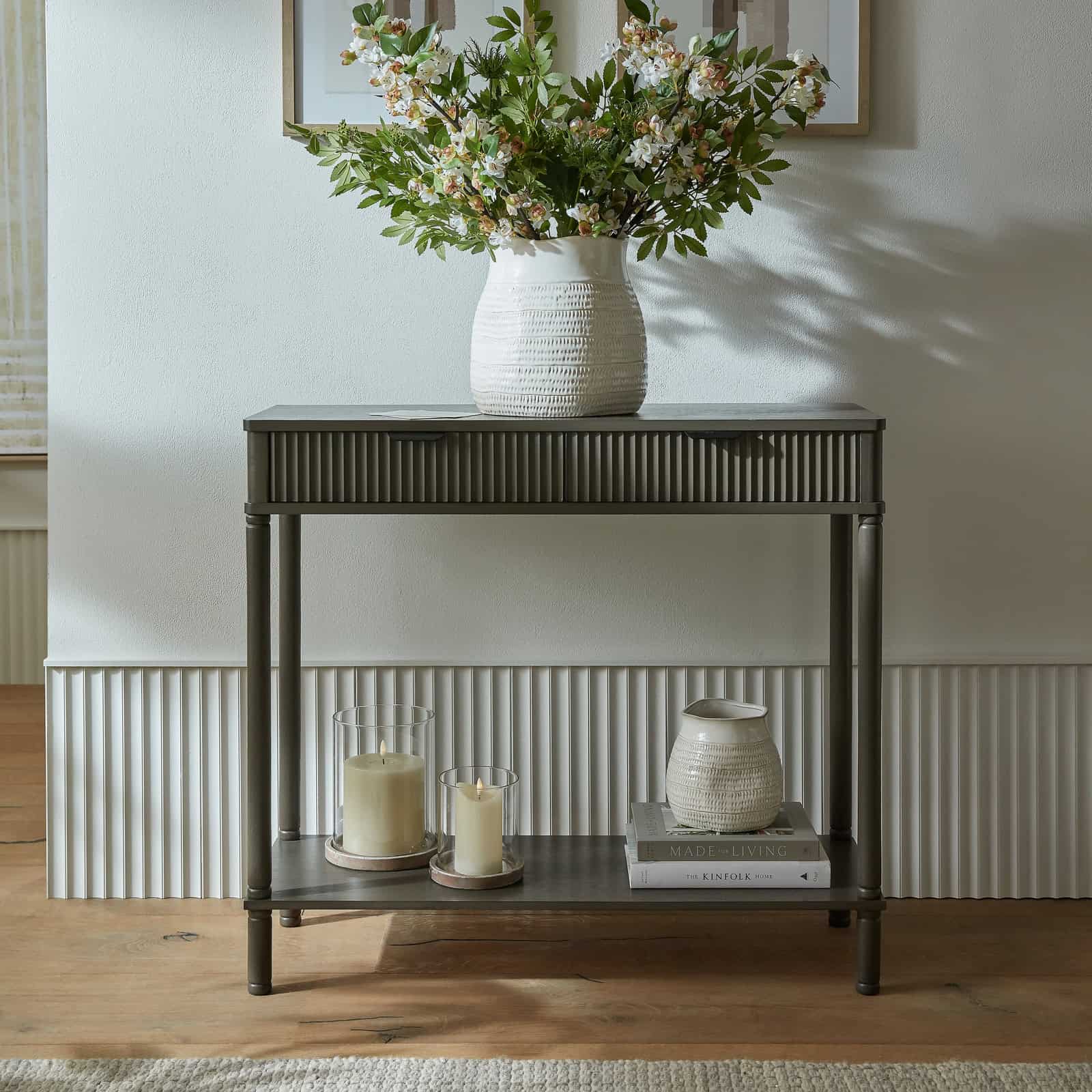
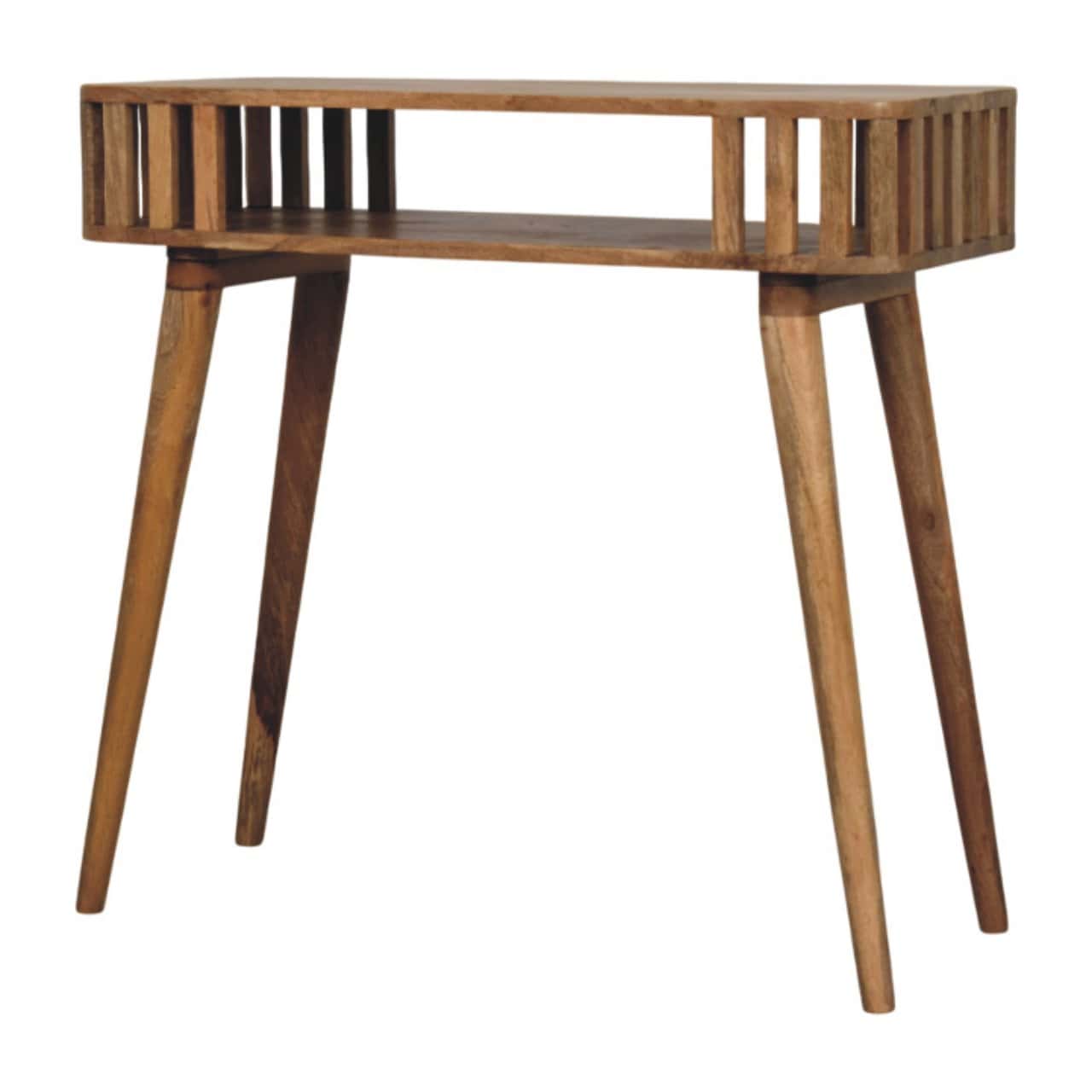
A console table can be primarily decorative, more storage-focused or a combination of both. Open designs create an uncluttered surface for table lamps, books, flowers, framed pieces and decorative objects, making them a good choice when display is the main priority. Their lighter structure can also help the table feel less visually dominant in a hallway or living room.
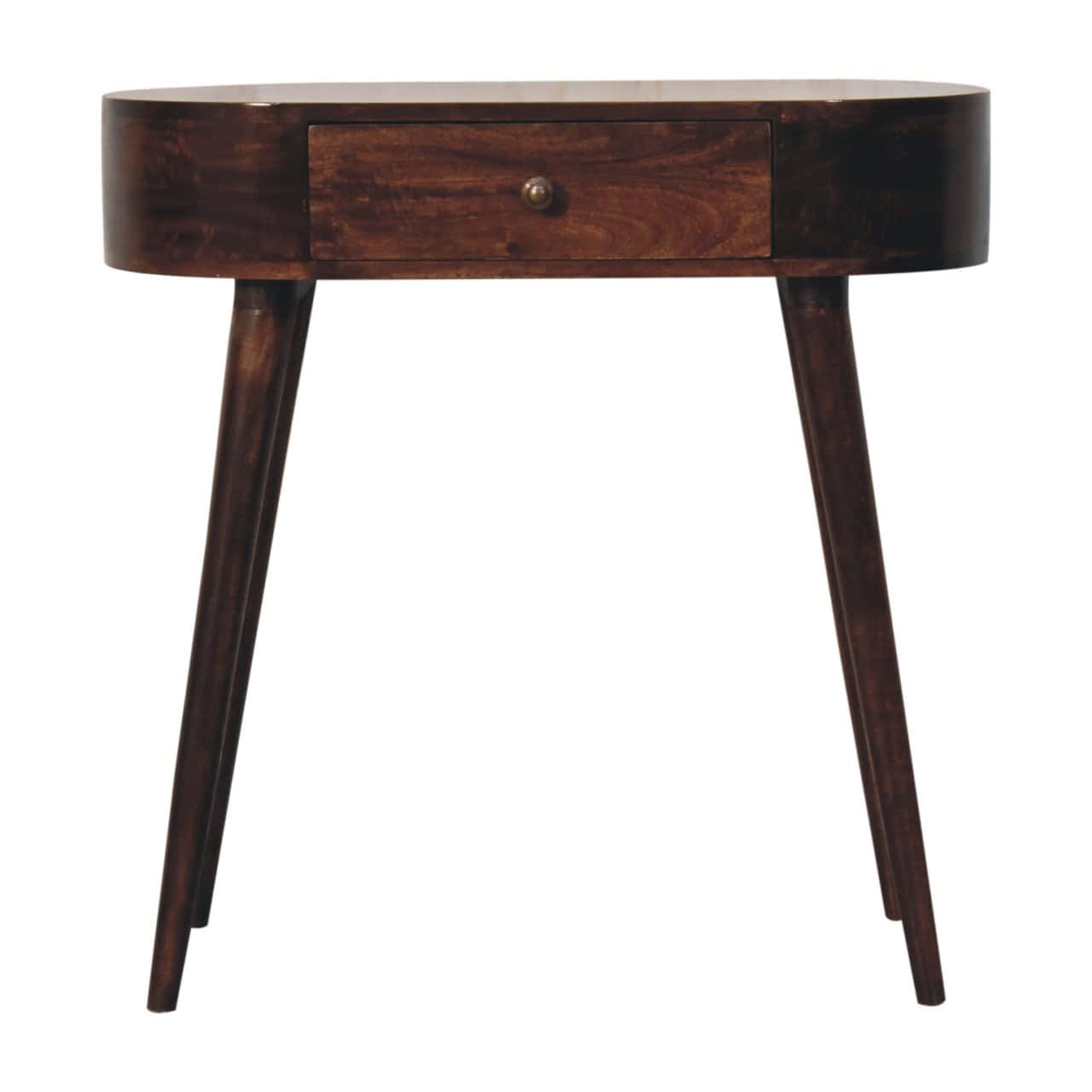
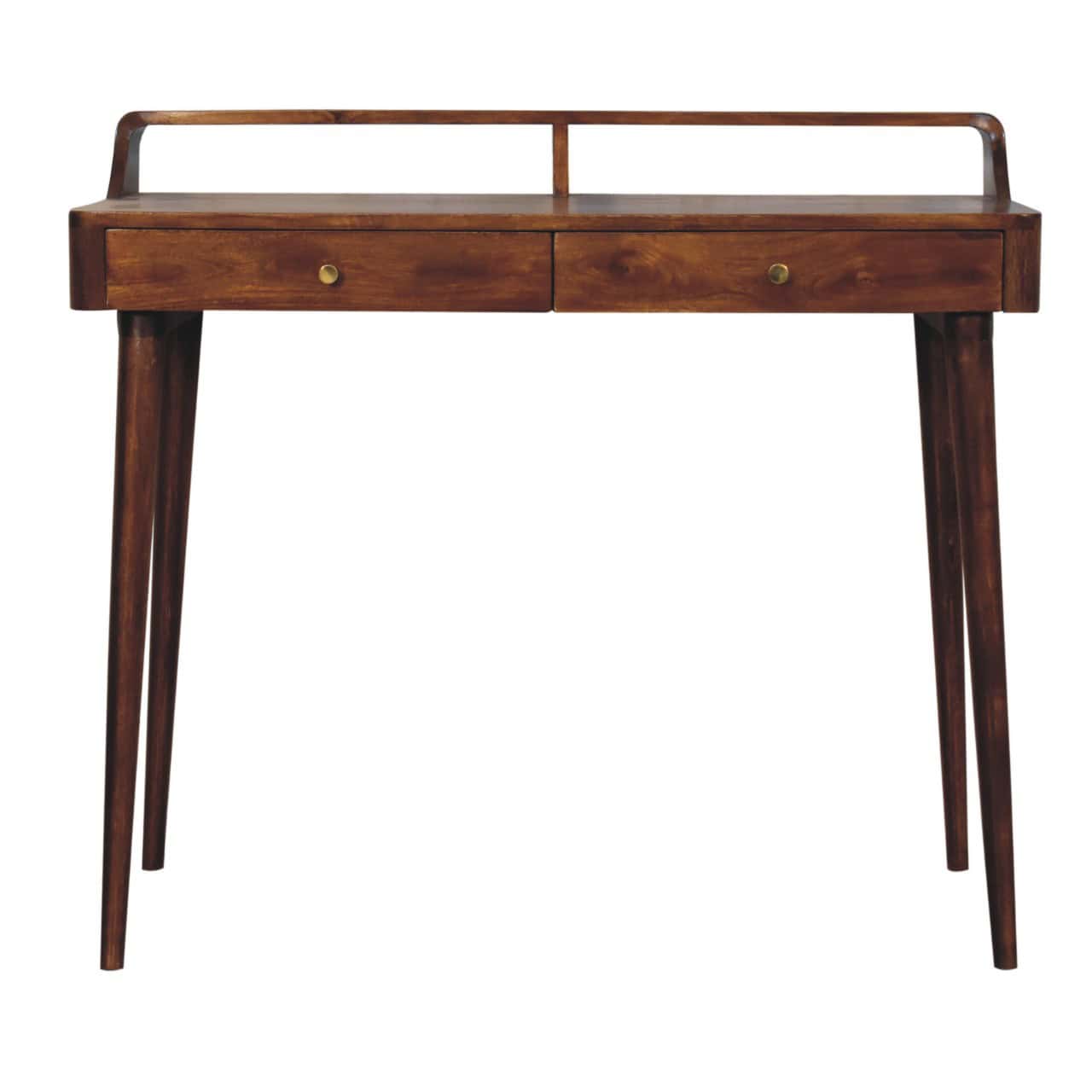
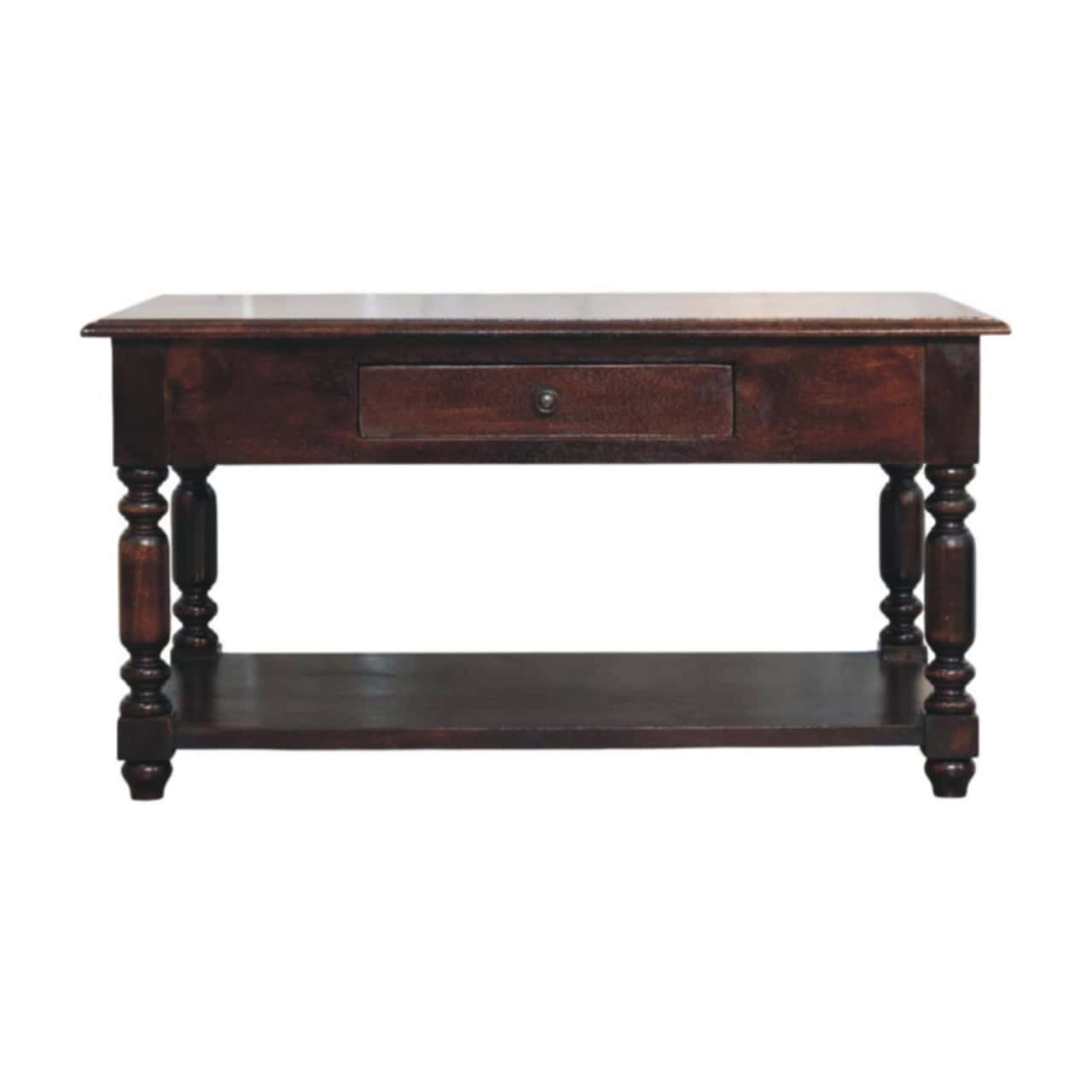
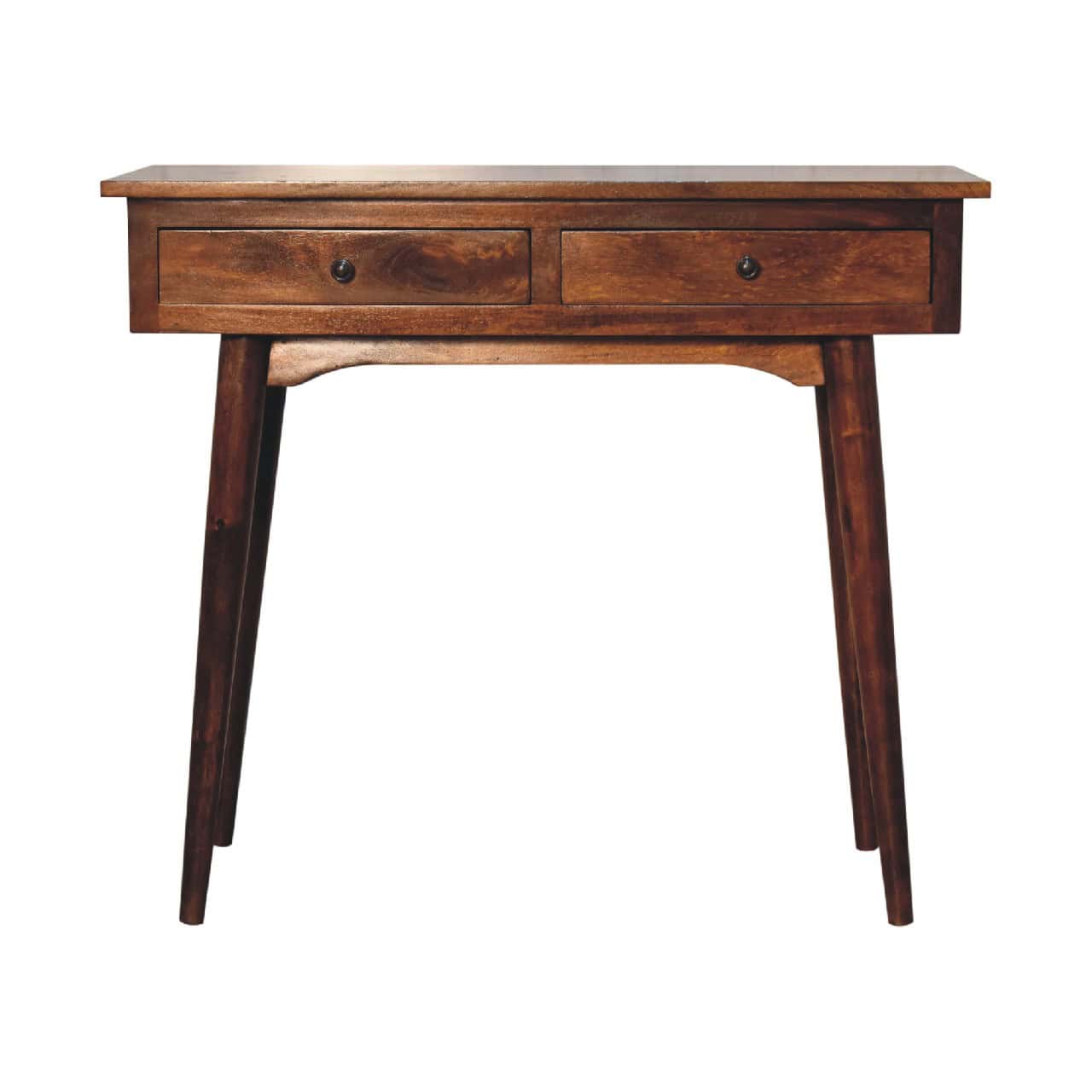
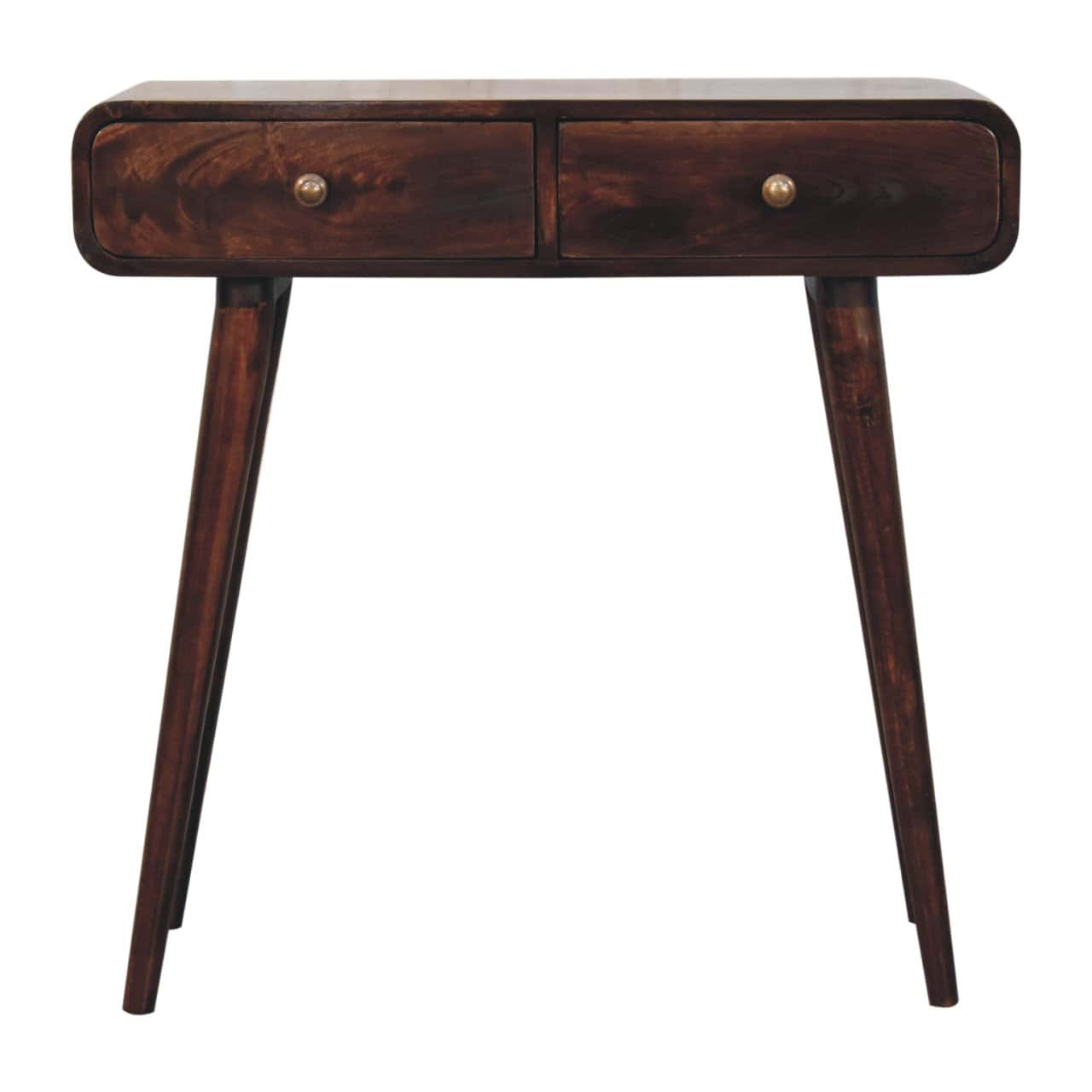
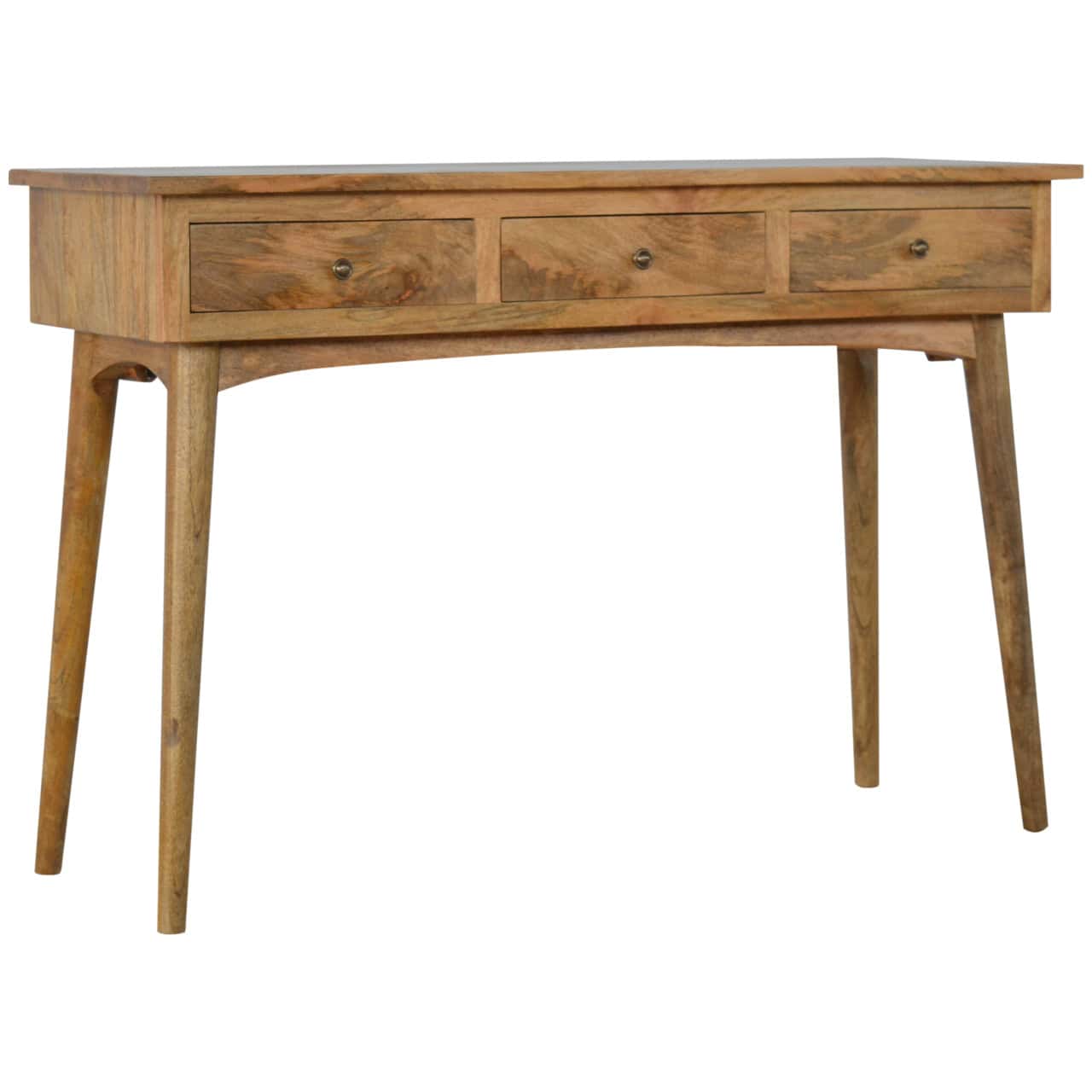
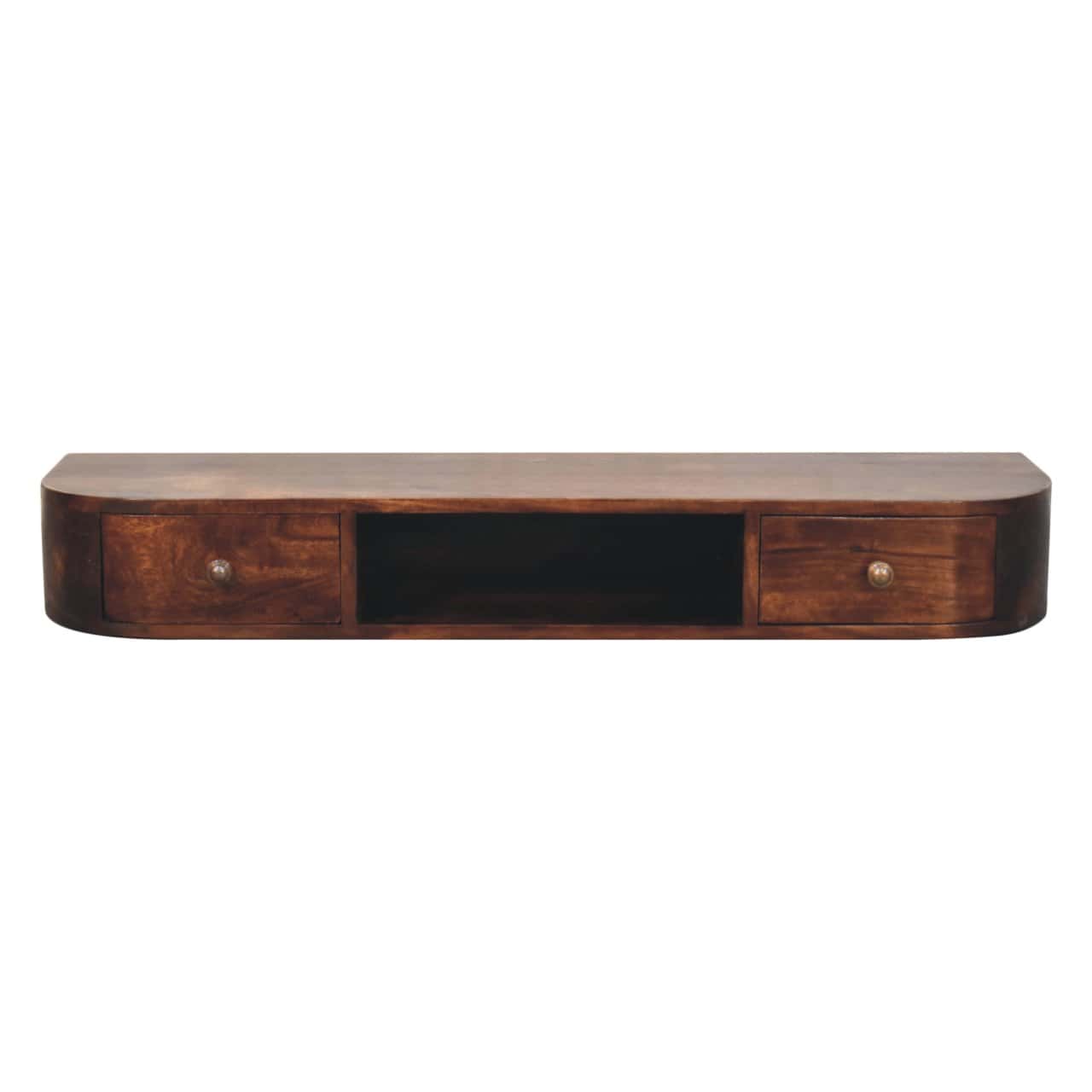
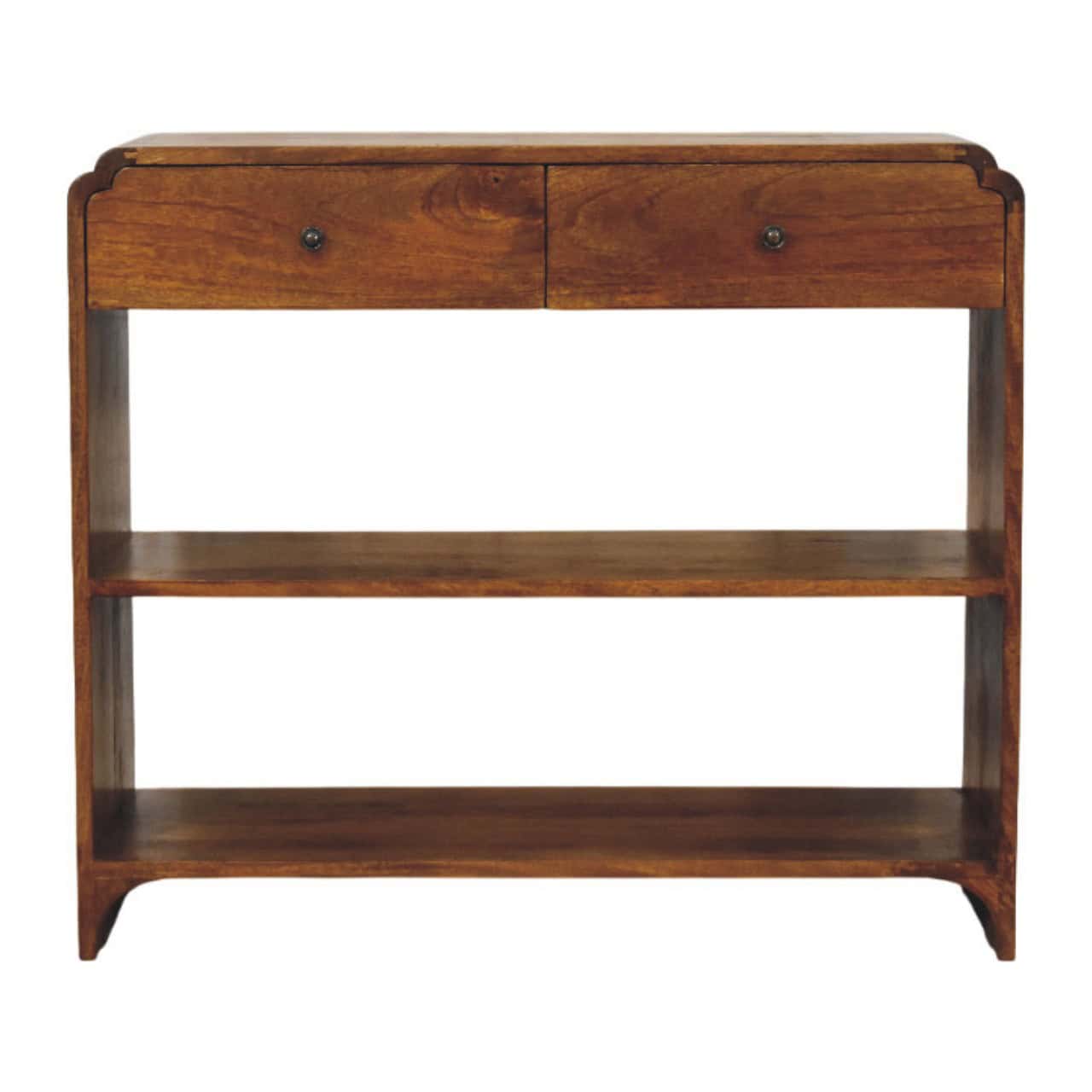
Drawer-based designs add concealed storage for smaller household items such as keys, chargers, stationery or other everyday belongings you would rather keep off the surface. This can be particularly useful in entranceways, where a console often becomes a convenient drop point. Shelved or tiered formats provide another option, adding a second level for books, baskets or decorative pieces while keeping the main tabletop available.
When choosing between these formats, think about how much of the table needs to remain usable. If the priority is decorative styling, a simpler open design may be enough. If you need somewhere to organise smaller items, drawers can make the piece more practical without changing its overall role. Designs combining display space with drawers or shelves offer a useful middle ground.
Find a Console Table That Fits Your Interior
The visual character of a console table can influence how strongly it features within the room. Modern and contemporary designs with cleaner lines, restrained finishes and simpler profiles can blend comfortably into an existing scheme, supporting nearby furniture rather than competing with it. An elegant console table can achieve the same effect through balanced proportions and subtle detailing rather than elaborate decoration.
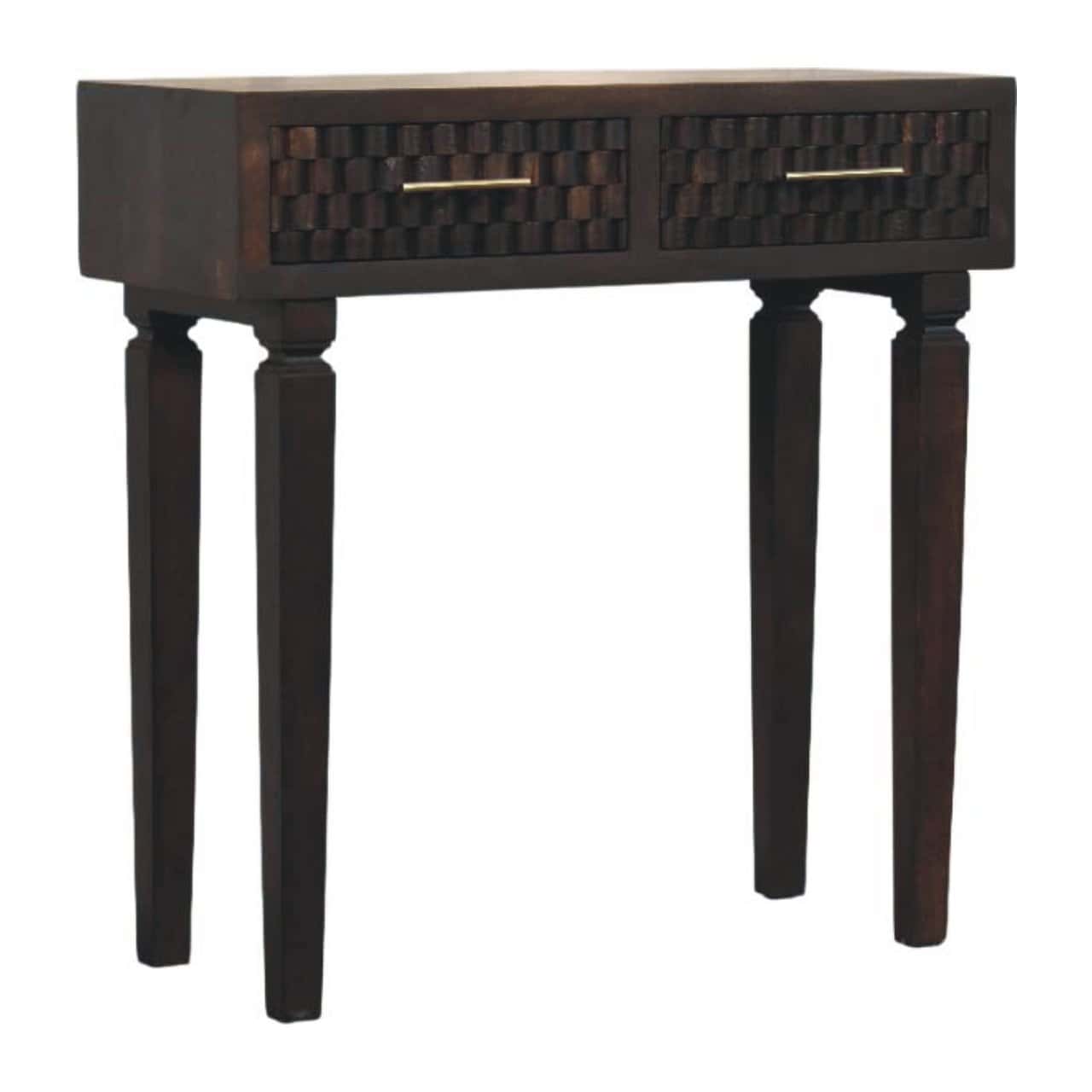
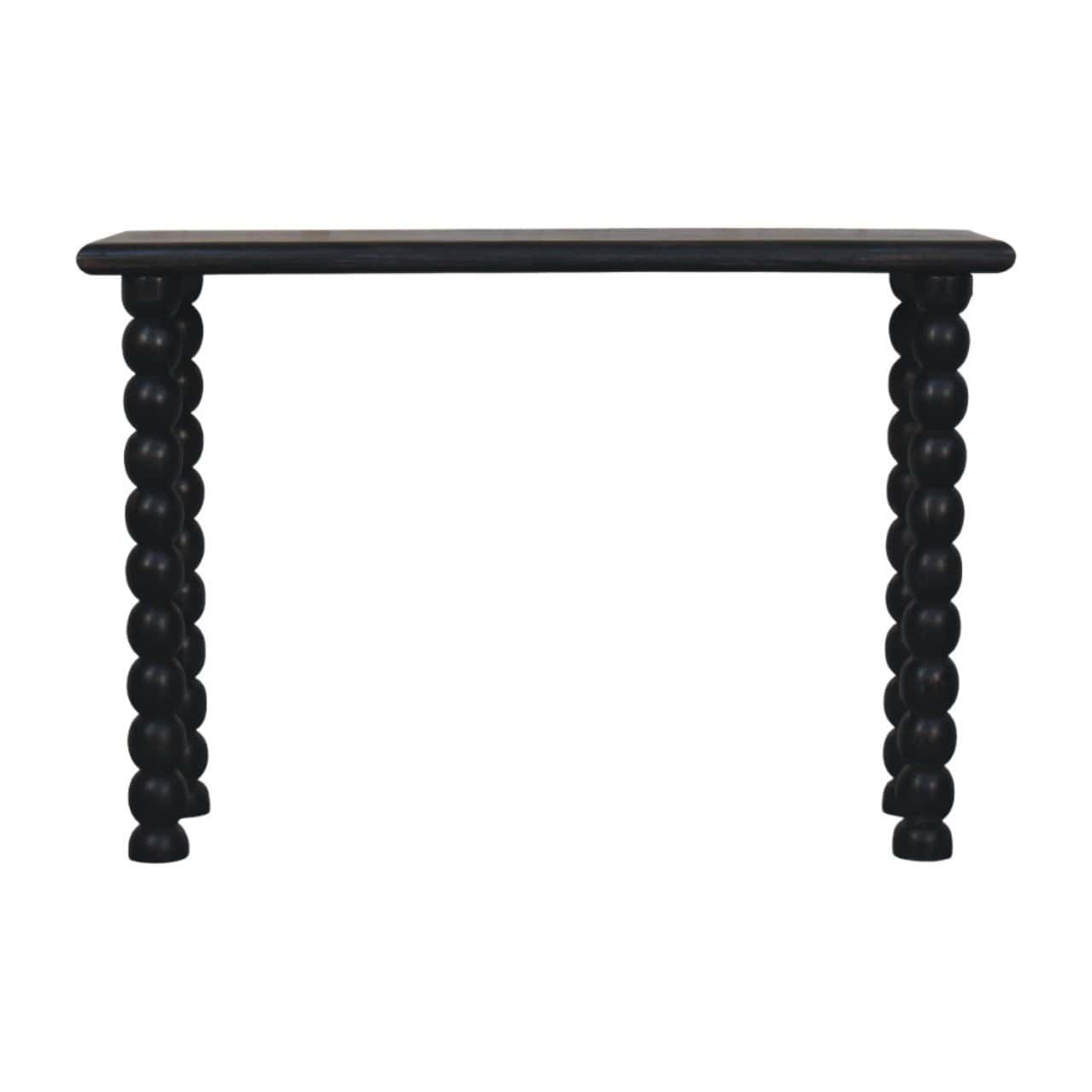
More distinctive designs can take a different role. Curved silhouettes, decorative fronts, unusual legs or stronger finishes can turn a console into a focal point, particularly in a hallway or against an otherwise quiet wall. Unique console tables work best when their shape or finish has enough surrounding space to be appreciated rather than being crowded by other furniture.
For a more design-led interior, designer console tables can bridge practicality and visual impact. A modern design console table may use a streamlined shape or contemporary finish, while a more decorative piece can introduce texture, contrast or sculptural detail. Consider whether you want the table to repeat colours and materials already present in the room or deliberately stand apart. Both approaches can work, provided the proportion, finish and detailing feel intentional alongside the wider furniture scheme.
Choosing the Right Console Table for Your Space
Choosing the right console table starts with the space it needs to occupy. Measure the available wall width, but also pay close attention to depth. A console that projects too far into a hallway or entranceway can restrict movement, while a shallower design can provide useful surface space without narrowing the route through the room.
Height matters in relation to nearby furniture, artwork and lighting. Allow enough clearance around doors, entrances and adjoining pieces so drawers can open and people can move comfortably. If the console will sit behind a sofa, compare its height and width with the sofa back so the proportions feel balanced rather than awkward.
Narrow consoles suit tighter spaces, while larger designs provide more display or storage capacity where the room allows. Floating designs can reduce the amount of furniture meeting the floor and are useful where that format suits the installation and wall. Before choosing, decide how much surface space you genuinely need and whether drawers, shelves or an open format will be more useful. The best fit should provide function without compromising walking clearance or making surrounding furniture feel crowded.
Creating a Focal Point With a Console Table
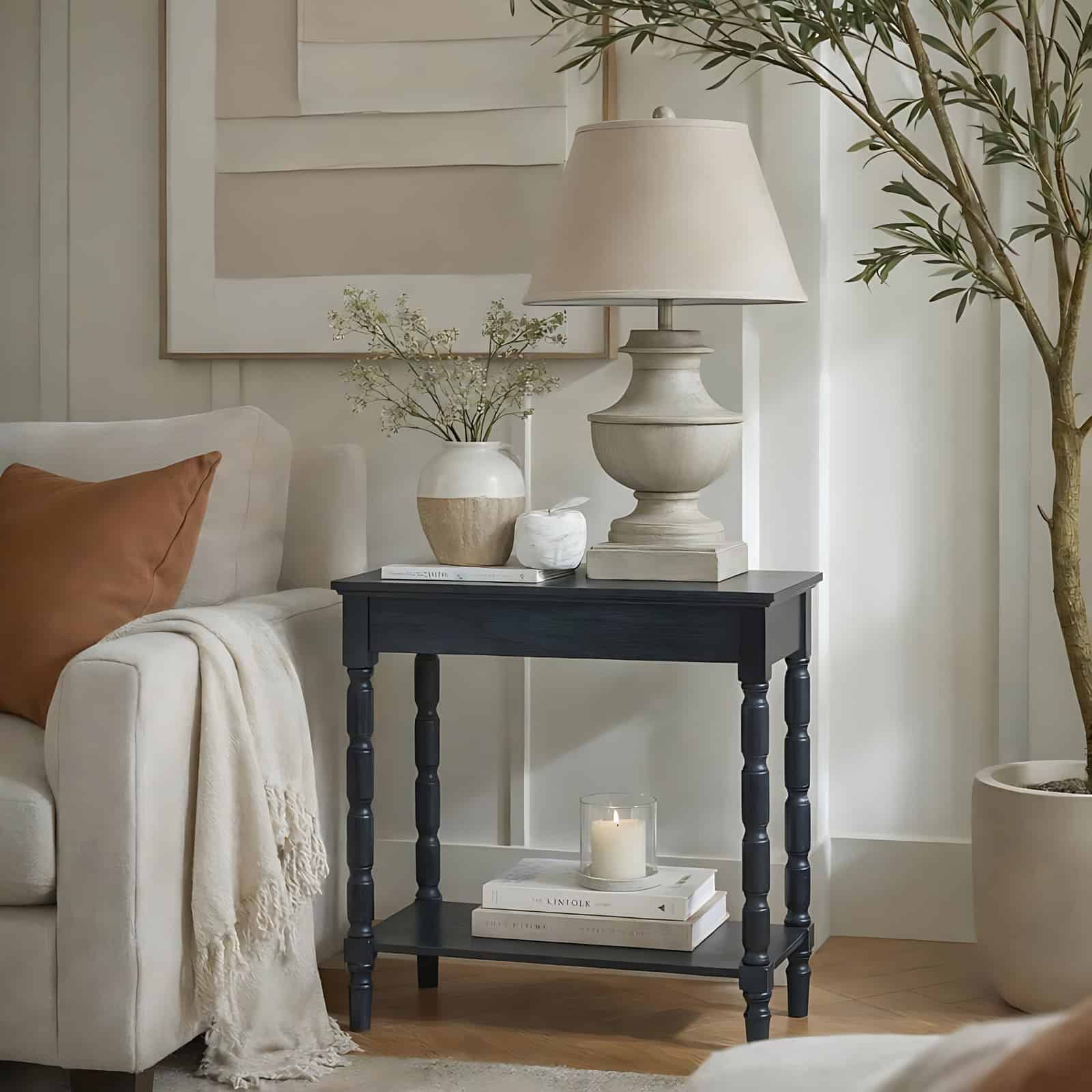
A console table can form part of a strong visual focal point without losing its practical purpose. Placing a mirror or piece of artwork above the table helps anchor the arrangement vertically, while the surface below can hold a table lamp, vase, books, sculptural accessories or a decorative tray.
Varying the height of these objects usually creates a more balanced display than arranging everything at the same level. A taller lamp or vase can provide height, with lower books or smaller accessories creating contrast around it. Decorative pieces can be grouped rather than spread evenly across the entire surface, leaving enough clear space for the console to remain useful.
Finishes should also relate to nearby furniture and décor. Repeating a wood tone, metal detail or colour can create continuity, while a contrasting finish can give the console greater emphasis. Suitable decorative objects can add personality, but restraint is important: a considered arrangement should enhance the table rather than completely cover the surface.
Materials and Finishes Across the Collection
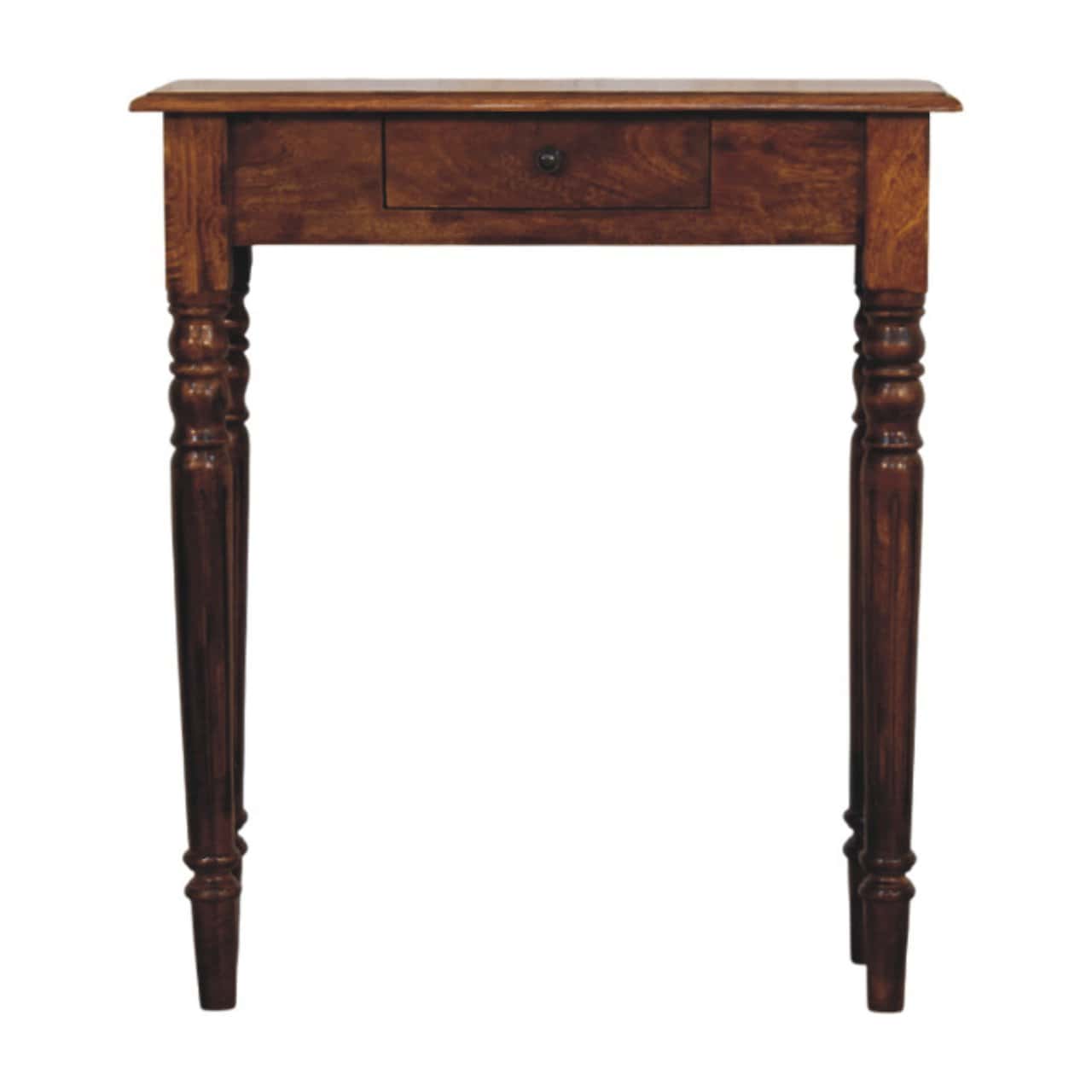
Materials and finishes shape the character of a console table and how it relates to the room. Wooden and wood-effect finishes are represented across the range, including selected Chestnut and oak-ish looks where supported by individual product information. Warmer tones can give a console more visual depth, while lighter wood effects can feel softer and more understated.
Metal details, painted finishes and mixed-material elements offer a different direction in contemporary interiors. These can introduce contrast through colour, texture or hardware without requiring the entire piece to use the same material. Decorative surface treatments can also give a console stronger visual presence.
Because construction and finish vary between individual designs, material claims should be checked at product level rather than assumed across the category. Consider how the finish sits alongside nearby flooring, seating, lighting and accessories, as this can influence the overall effect as much as the shape of the table.
Why Choose a Luxury Console Table From Dukes?
Luxury console tables from Dukes Home Interiors cover a broad range of proportions, configurations and decorative styles, making it easier to find a piece for compact and more generous spaces. Open designs sit alongside drawer-based, shelved, curved and other supported formats, giving you options for display, concealed storage or a combination of both. Contemporary pieces are available alongside more traditional-looking and decorative designs, with varied finishes and detailing providing different levels of visual impact. Whether you need a narrow hallway table, a practical console with storage or a statement piece for a living room, the range offers different ways to balance function and appearance. Explore the wider living room furniture selection to coordinate your console with other pieces where useful.
Frequently Asked Questions About Console Tables
What is a console table used for?
A console table provides a relatively narrow surface for display and everyday use. Depending on the design, it can hold lamps, flowers, books and decorative accessories, while drawers or shelves can provide additional storage.
Where should I put a console table?
Console tables are commonly used in hallways, entranceways and living rooms. They can sit against a wall, beneath artwork or a mirror, or in other areas where their width and depth suit the available space.
Can a console table go behind a sofa?
Yes, provided the proportions are suitable. Compare the height and width of the console with the sofa and leave enough surrounding space so the arrangement does not restrict movement through the room.
How deep should a console table be?
There is no single ideal depth. The right measurement depends on the available space and intended use. Hallways and narrow areas generally benefit from shallower designs, while larger rooms may accommodate deeper tables with more surface or storage space.
Should a console table match my other furniture?
Not necessarily. Matching or complementary finishes can create continuity, while a contrasting console can act as a focal point. The proportions, colour, material and detailing should feel intentional alongside the surrounding furniture.
What should I put on a console table?
Table lamps, vases, flowers, books, framed pieces, decorative trays and sculptural accessories can all work well. Avoid overcrowding the surface so the arrangement remains balanced and the table retains some practical space.
Are console tables with drawers useful?
Yes. Drawers provide concealed storage for smaller household items such as keys, chargers or stationery, helping keep the main surface tidier while maintaining the decorative role of the console.